
In This Article
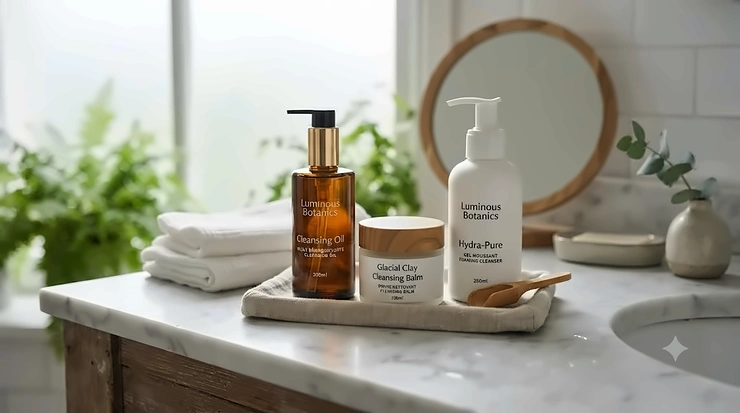
Here’s a confession: for years I thought a single splash of foaming cleanser was “cleansing.” Then I actually watched a cotton pad turn grey after using an oil-based first step, even on a bare-faced day, and I understood why double cleansing products exist at all. Double cleansing products are a two-part system — an oil or balm cleanser followed by a water-based cleanser — designed to dissolve oil-soluble buildup like sunscreen and sebum, then wash away sweat and residue in a second pass. It’s less a “trend” and more a fix for a problem most one-step face washes were never built to solve.

This guide breaks down seven real, currently available double cleansing products sold on amazon.ca, from budget-friendly Korean oils to dermatologist-developed foaming washes. We’ll dig into what actually differs between them, who each one suits, and where the marketing hype does (and doesn’t) match the ingredient list. Whether you’re chasing a full Korean double cleanse method or just want a reliable oil cleanser and foam cleanser combo for your PM skincare, you’ll find a straightforward answer here, not a rehashed product listing.
Canadian winters are brutal on the skin barrier — indoor heat plus sub-zero air outside is a recipe for dry, reactive cheeks, which is exactly why cleanser choice matters more here than in milder climates. Skin is naturally coated in what’s known as the acid mantle, a thin, slightly acidic film of sebum and sweat that protects against pathogens, and harsh cleansing habits can compromise that barrier long before you ever get to serums or moisturizer. Get the cleansing step right, and everything after it works better.
Quick Comparison Table: Double Cleansing Products at a Glance
| Product | Type | Price Range (CAD) | Best For |
|---|---|---|---|
| Heimish All Clean Balm | Cleansing balm | C$25-C$35 | Best all-rounder first step |
| Banila Co Clean It Zero | Cleansing balm | C$25-C$40 | Beginners to double cleansing |
| DHC Deep Cleansing Oil | Cleansing oil | C$30-C$40 | Waterproof makeup removal |
| Beauty of Joseon Ginseng Cleansing Oil | Cleansing oil | under C$25 | Budget-conscious first step |
| COSRX Low pH Good Morning Gel Cleanser | Gel/foam cleanser | under C$20 | Budget second step |
| CeraVe Foaming Facial Cleanser | Foam cleanser | C$15-C$25 | Oily/combination skin, second step |
| La Roche-Posay Toleriane Purifying Foaming Facial Cleanser | Foam cleanser | C$20-C$30 | Sensitive skin, second step |
Looking at this lineup, notice the split: four products handle the oil-based first cleanse, and three handle the water-based second cleanse. That’s deliberate — a true two-step cleansing routine needs one of each, and mixing a budget first step with a premium second step (or vice versa) is a perfectly reasonable way to control cost without compromising the routine’s actual function. The Beauty of Joseon Ginseng Cleansing Oil paired with the COSRX Low pH Good Morning Gel Cleanser gives you a full oil cleanser and foam cleanser combo for well under C$50 total, while the DHC Deep Cleansing Oil and La Roche-Posay Toleriane Purifying Foaming Facial Cleanser duo leans premium for anyone prioritizing dermatologist-tested formulas.
💬 Just one click — help others make better buying decisions too!😊
Top 7 Double Cleansing Products: Expert Analysis
1. Heimish All Clean Balm — best all-around cleansing balm
The standout here is texture: this balm goes on firm, then melts into a silky oil the second it meets warm palms, which is exactly what you want in a first-step cleanser. Key numbers worth knowing: the 120 ml jar is larger than most competing balms (many sit at 100 ml), and independent testing referenced by the brand claims it removes a majority of surface impurities and measurably boosts hydration on contact — in practice, that translates to a cleanse that doesn’t leave your face feeling tight afterward. Based on the spec comparison with other Korean balms, the shea butter and multiple essential-oil blend is what gives it a noticeably more “spa-like” feel than plainer formulas, though that’s also the ingredient list to flag if you’re fragrance-sensitive. Reviewers consistently note that it removes waterproof mascara without heavy rubbing, and several long-term users report a single jar lasting four to five months with nightly use — a detail that matters when you’re comparing cost-per-use, not just sticker price. What most buyers overlook about this balm is that its firmer-than-average texture means you need a genuinely dry face and dry hands to start; add water too early and it turns greasy rather than milky.
Pros:
- ✅ Large 120 ml jar lasts several months
- ✅ Melts into oil without feeling greasy
- ✅ Removes waterproof makeup with minimal rubbing
Cons:
- ❌ Essential oil blend may irritate fragrance-sensitive skin
- ❌ Needs fully dry hands and face to emulsify properly
Priced around C$25-C$35, this sits comfortably in the mid-range, and given the jar size and repeat-purchase reports, it’s a fair value pick for anyone building a long-term routine.

2. Banila Co Clean It Zero Original Cleansing Balm — the K-beauty cult classic
This is the balm most people mean when they say “cleansing balm” — it popularized the format in North America, and the sorbet-to-oil texture change on application is still its calling card. The formula centres on Zero Balance Technology, a blend designed to melt makeup while leaving a hydrating film behind, and it comes in both a compact 100 ml size and a larger version for heavier users. On paper, this means it’s built for daily use rather than occasional deep cleans, which explains why it’s frequently the first product recommended to someone starting the Korean double cleanse method. Reviewers consistently report it removes both face and eye makeup, including waterproof formulas, without the stinging some oil cleansers cause around the eye area. The spec sheet won’t tell you this, but user reports suggest the standard formula performs best on normal-to-oily skin, while very dry skin types sometimes prefer the brand’s newer Calming Cleansing Milk variant instead. Aggregated ratings on Amazon.ca sit around 4.4 to 4.5 out of 5 across multiple size listings, which is a strong signal for a product with a large enough review base to be meaningful.
Pros:
- ✅ Iconic sorbet-to-oil texture, easy to use daily
- ✅ Removes eye and face makeup without stinging
- ✅ Widely available in multiple sizes on Amazon.ca
Cons:
- ❌ Some users report a faint residue if under-rinsed
- ❌ Standard formula less ideal for very dry, reactive skin
Expect to pay roughly C$25-C$40 depending on size — the smaller jar is a reasonable way to trial the format before committing to a bigger one.
3. DHC Deep Cleansing Oil — best for stubborn, waterproof makeup
Where balms rely on solid oils that soften with body heat, this is a genuinely liquid, pump-dispensed oil, and that changes the experience meaningfully: it spreads instantly and doesn’t require warming up in your palms first. The formula is short — olive oil is the first ingredient, with vitamin E and rosemary leaf oil rounding things out — and that simplicity is part of the appeal for anyone who prefers recognizable ingredients. Here’s what to weigh: olive oil is a heavier oil than the lighter esters used in many Korean balms, so it feels richer on application, but reviewers consistently confirm it emulsifies into a milky texture that rinses cleanly rather than sitting on the skin. Long-running reviews on Amazon.ca describe it dissolving waterproof mascara and eyeliner in seconds, and more than one reviewer specifically credits it with reducing visible blackheads over weeks of consistent use — though that’s an individual result, not a guarantee. Based on the spec comparison with lighter Korean cleansing oils, this DHC formula tends to suit drier, mature skin better than very oily or acne-prone skin, since the olive oil base is more emollient than lightweight plant esters.
Pros:
- ✅ Liquid pump format spreads instantly, no warming needed
- ✅ Short, recognizable ingredient list centred on olive oil
- ✅ Reviewers confirm it clears waterproof eye makeup fast
Cons:
- ❌ Heavier feel may not suit very oily or acne-prone skin
- ❌ Contains phenoxyethanol, a known mild eye irritant for some
Sitting in the C$30-C$40 range for the standard size, this is priced toward the premium end of oil cleansers, but the brand’s decades-long track record in Japan supports that positioning.
4. Beauty of Joseon Ginseng Cleansing Oil — best budget-friendly oil cleanser
Don’t let the modest price fool you — this one leans on genuinely interesting formulation choices, blending soybean oil as its lightweight base with a touch of ginseng seed oil and what the brand calls micellar cleansing technology, aimed at lifting dirt away rather than just dissolving it. What most buyers overlook about budget oil cleansers is that “cheap” doesn’t have to mean “thin formula” — reviewers here specifically praise how light it feels compared to heavier oils like olive-oil-based competitors, while still managing to fully remove hardened eyebrow gel and waterproof mascara in testing. The ginseng concentration is low, around 0.1%, so don’t expect dramatic skin-brightening claims to hold up — treat this primarily as an effective, gentle cleanse rather than a treatment product. Based on the spec comparison, its closest competitor in texture and ingredient order is a pricier Japanese brand’s oil, which suggests you’re getting comparable performance for meaningfully less money. Reviewers with acne-prone or combination skin do flag it as slightly more likely to feel occlusive than gel-based cleansing waters, so it’s best suited to normal-to-dry skin rather than very oily types.
Pros:
- ✅ Lightweight soybean-oil base, not heavy or greasy
- ✅ Effectively removes waterproof mascara and eyebrow gel
- ✅ One of the most affordable real cleansing oils on Amazon.ca
Cons:
- ❌ Low ginseng concentration means minimal treatment benefit
- ❌ Slightly less ideal for very oily or acne-prone skin
At under C$25 for a 210 ml bottle, the value here is hard to beat, and it pairs naturally with a gel-type second cleanser for a complete cleansing routine Amazon shoppers can put together in one order.
5. COSRX Low pH Good Morning Gel Cleanser — best budget second-step cleanser
This is the second-step workhorse behind a huge number of double cleanse routines, and the appeal is straightforward: a genuinely low, skin-friendly pH (formulated around 5) in a gel that foams up just enough to feel like it’s working without stripping. The tea tree oil and BHA (betaine salicylate) combination is doing double duty — mild antibacterial action plus a light exfoliating effect — which is why reviewers with acne-prone and combination skin gravitate toward it specifically as a second cleanser rather than a stand-alone wash. Here’s what to weigh: this gel does not fully remove makeup on its own, so treating it as your only cleanser defeats the point; used after an oil step, though, it reliably finishes the job without the tight, squeaky feeling that higher-pH foaming cleansers can cause. Reviewers consistently note the tea tree scent is noticeable but fades quickly, and a large share of long-term users specifically call out that it doesn’t trigger the dryness or breakouts they experienced with other Western drugstore cleansers. Based on the spec comparison against pricier gel cleansers, the ingredient list here is short and functional rather than trend-chasing, which likely explains why it’s remained a bestseller for years rather than a passing fad.
Pros:
- ✅ Low pH formula respects the skin’s natural acid mantle
- ✅ Tea tree and BHA help with mild acne-prone congestion
- ✅ Affordable, large tube size stretches the cost per use
Cons:
- ❌ Tea tree scent may bother fragrance-averse users
- ❌ Not effective as a stand-alone makeup remover
Priced under C$20 for the standard 150 ml tube, this is one of the most cost-effective second-step cleansers available, making it a natural budget anchor for any oil cleanser and foam cleanser combo.

6. CeraVe Foaming Facial Cleanser — best drugstore pick for oily and combination skin
Developed with dermatologists and built around three ceramides plus hyaluronic acid and niacinamide, this cleanser is designed to do something that sounds contradictory: foam enough to feel like a “real” cleanse while still working to maintain the skin barrier rather than strip it. What most buyers overlook about foaming cleansers generally is that foam itself isn’t the enemy — surfactant choice is — and the sodium lauroyl sarcosinate base here is gentler than the sulfates found in many older foaming formulas. Reviewers consistently report it controls midday oil and shine without the tightness typically associated with oil-control cleansers, which is precisely the balance a second-step cleanser needs to strike after an oil-based first cleanse has already done the heavy lifting. Based on the spec comparison with pricier ceramide cleansers, this formula punches well above its price point — the ceramide-plus-niacinamide combination is more commonly seen in premium skincare than in an under-C$25 drugstore staple. It’s worth noting this is formulated for normal-to-oily skin specifically; CeraVe sells a separate Hydrating Cream-to-Foam version for drier skin types, so double-check you’re buying the right variant.
Pros:
- ✅ Ceramide and niacinamide blend supports barrier health
- ✅ Foams enough to feel thorough without over-stripping
- ✅ Widely available and consistently priced on Amazon.ca
Cons:
- ❌ Formulated for oily/combination skin, not dry skin
- ❌ Fragrance-free formula feels clinical to some users
Available for roughly C$15-C$25 depending on bottle size, this remains one of the best value-for-money second cleansers for anyone building a complete cleansing routine on a budget.
7. La Roche-Posay Toleriane Purifying Foaming Facial Cleanser — best for sensitive, reactive skin
As the premium pick in this lineup, this French pharmacy staple earns its higher price through formulation restraint: it’s built around niacinamide and ceramides in an oil-free, soap-free base, and it’s specifically positioned for sensitive skin that reacts to more aggressive foaming cleansers. What stands out on the spec sheet is what’s absent — no soap, no harsh sulfates, no fragrance — which matters enormously for anyone whose skin flares up after a “squeaky clean” wash. Reviewers consistently frame it as the cleanser they switched to after eczema-prone or rosacea-prone skin reacted poorly to other foaming products, and dermatologist-adjacent branding aside, the ingredient deck backs that positioning up. Based on the spec comparison with CeraVe’s oilier-skin formula, this La Roche-Posay option foams more gently and rinses with less of a “stripped” after-feel, making it the more sensible second-step choice for dry or reactive skin types rather than very oily ones. The brand’s broader reputation in French pharmacies and Canadian drugstores alike lends it a level of trust that’s earned rather than purely marketed, though that trust does come with a price premium versus the CeraVe or COSRX options above.
Pros:
- ✅ Soap-free, fragrance-free formula suited to reactive skin
- ✅ Niacinamide and ceramides support barrier repair
- ✅ Trusted dermatological brand with wide Canadian availability
Cons:
- ❌ Higher price point than comparable drugstore foams
- ❌ Less oil-control benefit for very oily skin types
Typically priced in the C$20-C$30 range, it’s the more premium of the two foam cleansers here, best reserved for skin that genuinely needs the gentler formulation.
Your First 30 Days: A Practical Double Cleansing Setup Guide
Starting a two-step cleansing routine is simple, but the first month is where most people either build a habit or quietly quit. Night one, keep it basic: apply your oil or balm to a completely dry face, massage for a full 60 seconds (most people rush this to 15), then add a splash of water to emulsify before rinsing. Follow immediately with your foam or gel cleanser on damp skin, massage for 30 seconds, and rinse with lukewarm — never hot — water, since hot water is a common, avoidable cause of post-cleanse tightness.
A common mistake in week one is over-cleansing: using both steps morning and night from day one, when most skin only needs the full two-step process at night, with a lighter single cleanse (or plain water) in the morning. Watch for early warning signs of over-stripping — tightness, flaking, or new redness within the first two weeks — and if they appear, scale back to every-other-night double cleansing while your barrier adjusts. By week three or four, most users report their skin has calibrated to the routine, texture has smoothed out, and subsequent serums and moisturizers noticeably absorb faster than before. Maintenance from here is simple: replace an oil cleanser roughly every three to six months (check for scent changes, a sign oils have started to oxidize) and a foam cleanser whenever the pump stops dispensing evenly.
Oil Cleanser vs Foam Cleanser: Why Korean Skincare Insists on Both
It’s tempting to assume one good cleanser should be enough, but oil and water genuinely don’t mix — which is precisely the problem double cleansing solves. Sunscreen, sebum, and most long-wear makeup are oil-soluble; a water-based foam alone will bead across them rather than lift them away, no matter how long you scrub. An oil-based first step breaks that oily layer down using “like dissolves like” chemistry, while a foam or gel second step then handles the water-soluble sweat, dead skin cells, and any leftover residue the oil step loosened but didn’t fully rinse away.
This isn’t a niche preoccupation, either — as Korean skincare has surged in popularity across Canadian beauty counters, industry experts have pointed to barrier-first formulation, not just novelty ingredients, as the reason the approach has staying power here. The comparison table below breaks down the practical differences.
| Factor | Oil/Balm Cleanser (Step 1) | Foam/Gel Cleanser (Step 2) |
|---|---|---|
| Best for removing | Makeup, SPF, sebum | Sweat, dirt, leftover residue |
| Skin feel after use | Slightly milky, never dry | Clean, non-tight if pH-balanced |
| Frequency | Nightly (as needed AM) | Morning and night |
| Best For | DHC Deep Cleansing Oil, Beauty of Joseon Ginseng Cleansing Oil | COSRX Low pH Good Morning Gel Cleanser, CeraVe Foaming Facial Cleanser |
What the table doesn’t show is sequencing logic: doing foam first strips protective oils before the oil-soluble buildup is broken down, making the whole routine less effective, not more. Reviewers and estheticians alike consistently flag “foam-first” as the single most common two-step cleansing error, so the order genuinely isn’t optional — it’s the entire mechanism.
✨ Ready to build your own duo? Compare the picks above and check current pricing before you commit!
Real-World Scenarios: Matching Your Routine to Your Life
Picture three very different mornings and evenings. First, a university student in Toronto wearing light BB cream and SPF five days a week, on a tight budget: the Beauty of Joseon Ginseng Cleansing Oil paired with the COSRX Low pH Good Morning Gel Cleanser covers both steps for well under C$50 combined, restocking maybe three times a year.
Second, a shift worker who wears full, long-wear makeup for 10-12 hours and deals with combination, occasionally breakout-prone skin: here the heavier-duty DHC Deep Cleansing Oil earns its keep specifically because it’s built to dissolve stubborn waterproof formulas, paired with CeraVe Foaming Facial Cleanser to manage midday oil without over-drying by the next shift.
Third, someone managing sensitive, eczema-prone skin who wears minimal makeup but lives somewhere with brutally dry winter air — think Winnipeg or Calgary — where the priority isn’t makeup removal so much as barrier support. The gentler Heimish All Clean Balm as a first step, followed by the ultra-mild La Roche-Posay Toleriane Purifying Foaming Facial Cleanser, keeps both steps calm rather than clarifying, which matters more than deep-cleaning power when reactivity is the primary concern.
Double Cleansing Problems? Here’s How to Fix Them
Even a solid routine runs into snags. If your skin feels tight and squeaky after cleansing, that’s a sign your foam step is too alkaline for your skin, or you’re skipping the oil step’s job of pre-softening buildup — switch to a genuinely low-pH gel like COSRX’s and make sure you’re emulsifying the oil step fully before rinsing.
If you’re breaking out more since starting, check whether your oil cleanser is comedogenic for your specific skin (heavier oils like olive oil can be occlusive on acne-prone skin), and consider swapping to a lighter, soybean-based oil instead.
If your eye makeup won’t budge without heavy rubbing, the fix usually isn’t more pressure — it’s more patience; hold the oil or balm against closed eyes for an extra 10-15 seconds before wiping, letting the formula fully dissolve waterproof pigments rather than scrubbing them off mechanically.
Finally, if double cleansing leaves your skin feeling stripped by morning, you may simply be over-cleansing; dropping to a single gentle cleanse most mornings while reserving the full two-step process for evenings resolves this for the majority of users within a week or two.
How to Choose Double Cleansing Products
- Identify your skin type first. Dry or reactive skin generally does better with balms and soap-free foams; oily or acne-prone skin tolerates lighter oils and slightly more active second cleansers.
- Match the oil step to your makeup load. Heavy, waterproof makeup wearers benefit from richer oils like DHC; minimal-makeup days are well served by a lighter Korean cleansing oil.
- Check the second cleanser’s pH. Anything marketed as “low pH” (around 5-5.5) is gentler on the acid mantle than traditional soap-based foams.
- Consider fragrance sensitivity. Botanical-oil-heavy balms smell wonderful to some and irritate others — fragrance-free options like CeraVe or La Roche-Posay sidestep the issue entirely.
- Factor in cost-per-use, not sticker price. A C$35 balm that lasts five months often costs less per use than a C$15 gel you burn through in six weeks.
- Buy travel or trial sizes first. Most of the brands above sell smaller sizes specifically so you can test compatibility before committing to a full-size jar or bottle.
- Read the aggregated review sentiment, not just the star rating. A 4.5-star average built on thousands of reviews is more trustworthy than a perfect score from a handful of ratings.
Double Cleansing Products for Different Skin Types
Dry and sensitive skin types should lean toward the Heimish All Clean Balm or Banila Co Clean It Zero for step one, both formulated to leave a hydrating film rather than a stripped feeling, followed by La Roche-Posay Toleriane Purifying Foaming Facial Cleanser for a genuinely gentle finish. Oily and combination skin benefits more from a lighter first step like Beauty of Joseon Ginseng Cleansing Oil, which won’t feel heavy under makeup the next morning, paired with CeraVe Foaming Facial Cleanser or COSRX Low pH Good Morning Gel Cleanser for real oil control.
Acne-prone skin should watch ingredient comedogenicity closely — the tea tree and BHA in COSRX’s gel makes it a popular second-step choice specifically for this group, though anyone on prescription retinoids or benzoyl peroxide should introduce any new cleanser gradually to avoid compounding irritation. Mature skin often does well with the richer, more emollient DHC Deep Cleansing Oil, since olive oil’s fatty acid profile complements skin that’s naturally producing less sebum with age. Whatever your skin type, the underlying principle from this thorough makeup removal method doesn’t change: dissolve oil-soluble buildup first, then wash the rest away.
Common Mistakes When Buying Double Cleansing Products
The most frequent misstep is buying two products from wildly different price tiers and formulation philosophies without checking they actually work well in sequence — pairing an ultra-rich balm with an equally rich cream cleanser, for instance, can leave skin feeling coated rather than clean. A second common error is chasing trend-driven ingredients (snail mucin, certain fermented extracts) in a cleanser, when these ingredients are rinsed off within a minute or two and contribute far less benefit than they would in a leave-on serum. Buyers also frequently skip checking whether a “foaming cleanser” is soap-based or surfactant-based; the former is markedly harsher on the acid mantle, and the ingredient list will tell you which one you’re getting if you know to look for sodium lauroyl sarcosinate versus classic soap bases.
Finally, a subtle but costly mistake is buying full-size bottles of both products before confirming compatibility with your specific skin — travel or mini sizes exist for nearly every product on this list precisely to prevent that outcome, and using them first is the more financially sensible approach.
Long-Term Cost and Maintenance of a Double Cleansing Routine
Run the numbers and double cleansing is rarely more expensive than a single premium cleanser used twice as often. A C$30 oil cleanser lasting four months and a C$18 foam cleanser lasting three months works out to roughly C$0.30-C$0.50 per full cleanse — comparable to, or cheaper than, many single-step “premium” cleansers priced around C$40-C$50 that get used up in half the time because people apply more product per use trying to compensate for inadequate makeup removal.
Long-term maintenance is straightforward: store oil cleansers away from direct sunlight and heat to slow oxidation (a change in scent is your cue to replace it), and always dispense foam cleansers with clean, dry hands to avoid introducing bacteria into pump bottles. Over a full year, a consistent two-step routine typically means two to three replacement oil cleansers and three to four foam cleanser bottles — a predictable, budgetable cost that’s easy to build into a broader skincare spend.
Features That Actually Matter (And Those That Don’t)
Marketing copy loves buzzwords, so here’s an honest filter. Ingredient concentration and pH genuinely matter — a “low pH” claim on a foam cleanser is functionally meaningful, since it directly affects how the acid mantle responds. Texture and emulsification behaviour matter too, since a balm or oil that won’t fully rinse clean defeats its own purpose.
What matters far less: elaborate botanical extract lists in a rinse-off product, since contact time is too short for most actives to meaningfully penetrate skin; “24k gold” or similarly flashy ingredient call-outs in cleansers, which add cost without added cleansing benefit; and packaging gimmicks like built-in brushes, which rarely outperform simply massaging product in with clean fingers. If a listing leads with a long list of trendy actives but says almost nothing about pH or surfactant type, that’s usually a sign the formulation substance is thinner than the marketing suggests.
Safety, Ingredients and Regulations: What Canadian Skin Needs to Know
Cosmetics sold in Canada, including facial cleansers, fall under Health Canada’s oversight, and the department maintains a Cosmetic Ingredient Hotlist that flags substances restricted or prohibited in cosmetic products sold nationally. This matters for imported K-beauty products specifically, since formulations sold in South Korea don’t automatically match what’s compliant for Canadian retail — reputable Amazon.ca listings from established Canadian sellers or brand-authorized distributors are generally a safer bet than unverified third-party imports. If you experience redness, stinging, or breakouts that don’t resolve within a week or two of introducing a new cleanser, discontinuing use and patch-testing any replacement on your inner arm first is a reasonable, low-risk precaution. Health Canada also publishes broader guidance on cosmetic ingredient safety assessment, and legitimate sellers must be able to substantiate ingredient safety if asked — a detail worth remembering if a listing’s origin looks unclear.

Frequently Asked Questions
❓ What's the actual difference between an oil cleanser and a foam cleanser?
❓ Is the Korean double cleanse method necessary if I don't wear makeup?
❓ Can I put together a complete cleansing routine on Amazon for under C$50?
❓ Does double cleansing really achieve more thorough makeup removal than one step?
❓ What's the best two-step cleansing routine for sensitive PM skincare?
Conclusion
Double cleansing isn’t a gimmick borrowed from a 10-step Korean routine you have to fully adopt — it’s a genuinely sound two-part solution to a problem single-step cleansers were never designed to solve: oil-soluble buildup needs an oil-based solvent, and everything else needs a water-based wash. Across the seven products covered here, the throughline is consistent: match your first step to your makeup load and skin richness, match your second step to your skin’s reactivity and oil production, and give the pairing a few weeks to calibrate before judging results. Whether you land on the budget-friendly Beauty of Joseon and COSRX duo or the more premium DHC and La Roche-Posay pairing, the underlying mechanics stay the same, and that consistency is exactly what makes this routine worth the extra 90 seconds each evening.
Recommended for You
- The Ordinary vs Timeless Vitamin C Serum: 7 Honest Picks (2026)
- CeraVe vs Cetaphil Cleanser: 7 Picks Compared Honestly (2026)
- Best PDRN Serum 2026: 7 Salmon DNA Picks Actually Worth It
Disclaimer: This article contains affiliate links. As an Amazon Associate, I earn from qualifying purchases. If you purchase products through these links, we may earn a small commission at no additional cost to you.
✨ Found this helpful? Share it with your friends! 💬🤗
