
In This Article
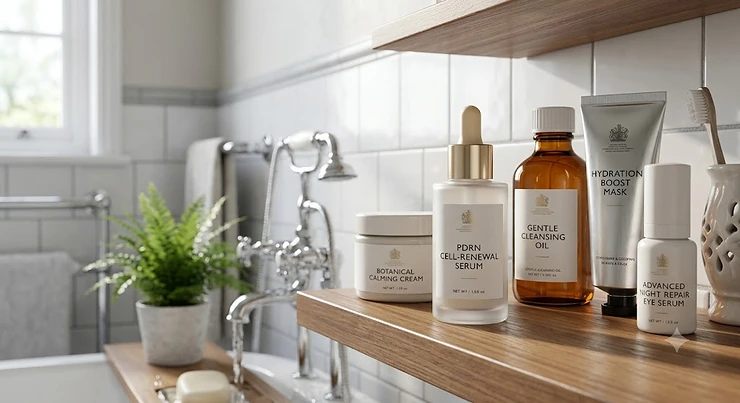
Your bathroom shelf has opinions now. Retinol wants a slot, vitamin C wants a slot, and somewhere in the last year, a pink little bottle with the word “salmon” on the label muscled its way in too. That’s the best PDRN serum conversation in a nutshell — equal parts curiosity and skepticism, because yes, the active ingredient really does come from fish DNA, and no, that is not a typo.
What is PDRN serum? PDRN stands for polydeoxyribonucleotide, a purified DNA fragment typically sourced from salmon or trout sperm cells, prized in skincare for its ability to support tissue repair, calm inflammation, and encourage collagen-producing fibroblast activity at the cellular level.
That last part is why dermatologists were using it years before TikTok discovered it. PDRN started its career as a wound-care compound in Italian and Korean clinics, stitching together diabetic ulcers and burn injuries long before anyone thought to bottle it for a nightly routine. The pivot to skincare shelves is recent, but the underlying science has a two-decade head start, and that distinction matters when you’re deciding whether to trust a serum that sounds, frankly, a little unhinged.
This guide breaks down seven real, currently sold PDRN serums, from budget-friendly bestsellers to the ampoule Kris Jenner has publicly credited for her glow. Every pick here is a genuine product with genuine specs, not a listing dressed up to look impressive. We’ll walk through what the ingredient actually does, who should reach for it, what reviewers consistently say, and how to shop for it sensibly on amazon.ca without overpaying for hype you don’t need.
Quick Comparison Table
Before the deep dives, here’s the lay of the land. Concentration numbers below reflect what each brand discloses (ppm or percentage), not a claim about clinical potency, since formulation quality matters just as much as the raw number on the box.
| Serum | Format | PDRN Concentration | Best For | Price Range (CAD) |
|---|---|---|---|---|
| Medicube PDRN Pink Peptide Serum | Bottle, 30 mL | Sodium DNA (unspecified ppm) | Best all-round budget bestseller | Under C$35 |
| Rejuran Turnover Ampoule c-PDRN | Bottle, 30 mL | 0.5% patented c-PDRN | Best premium, clinic-grade | C$75-C$90 range |
| Anua PDRN 100+ Collagen Serum | Bottle, 30 mL | Sodium DNA + hyaluronic acid | Best for sensitive, fragrance-free skin | C$25-C$35 range |
| TRSTAY LUXE Salmon DNA Vials | 30 x 1.5 mL vials | High-purity, single-use | Best post-microneedling aftercare | C$35-C$50 range |
| YouthVibe 0.5% PDRN Serum | Bottle, 30 mL | 0.5% | Best entry-level daily option | Under C$30 |
| FRANKLY Bounce Ball Serum | Bottle, 30 mL | 99% purity salmon PDRN | Best for redness and recovery | C$30-C$40 range |
| Apparent. PDRN Salmon DNA Serum | Bottle, 27 mL | 1% / 10,000 ppm | Best clearly-labelled mid-range pick | C$25-C$35 range |
Looking at the table, the split really comes down to purpose rather than price alone. Medicube and YouthVibe make sense as a low-commitment way to test whether your skin even likes PDRN, while Rejuran’s patented c-PDRN complex targets people who already know they want a clinical-grade formula and are willing to pay for the R&D behind it. The single-use vial format from TRSTAY LUXE solves a real problem — oxidation — that bottle-based serums can’t, which matters more if you’re pairing PDRN with at-home microneedling.
💬 Just one click — help others make better buying decisions too!😊
Top 7 Best PDRN Serums: Expert Analysis
Coverage below spans budget and premium tiers, vial and bottle formats, and both fragrance-free and peptide-heavy formulations, so whatever your skin’s personality, something here should fit.
1. Medicube PDRN Pink Peptide Serum — best-selling budget formula with real review volume
Medicube built its reputation on accessible price points paired with clinically-minded formulas, and this serum is the brand at its most recognizable: a pink, salmon-DNA-based liquid that layers a five-type peptide complex on top of sodium DNA and niacinamide. The ingredient list also includes adenosine and Holy Basil leaf extract, which is a slightly unusual but sensible pairing — adenosine reinforces the same collagen-signalling pathway PDRN relies on, so the two actives are working the same job from different angles rather than competing for shelf space in the formula. At under C$35, this is priced closer to a drugstore serum than a clinic treatment, which is notable given the ingredient pedigree. Reviewers consistently report a visible glow after a single use and firmer-feeling skin within about a week, and the product carries over 8,000 five-star ratings on Amazon at the time of research, a genuinely large review base for a niche ingredient category. Based on the spec comparison against pricier alternatives here, Medicube earns its bestseller status less through raw PDRN concentration and more through smart formulation and consistency, which is exactly what a first-time buyer should prioritize.
Pros:
- ✅ Large, verifiable review base backing real-world results
- ✅ Peptide and niacinamide combo boosts visible glow fast
- ✅ Budget price makes it low-risk for PDRN newcomers
Cons:
- ❌ Exact PDRN ppm isn’t disclosed on the label
- ❌ Contains fragrance, a possible issue for reactive skin
At under C$35, Medicube PDRN Pink Peptide Serum delivers strong value for anyone testing the ingredient for the first time.
2. Rejuran Turnover Ampoule c-PDRN — celebrity-backed clinic-grade formula
Rejuran didn’t just enter the PDRN market — it arguably created the retail version of it, translating the brand’s injectable “Healer” treatments into an at-home ampoule using a patented c-PDRN complex at 0.5% concentration. That patent detail matters more than it sounds: c-PDRN refers to a proprietary purification process the brand has refined since its clinical origins, which is part of why Kris Jenner publicly credited the Turnover Ampoule and Dual Effect Ampoule for her skin’s elasticity and hydration on social media earlier this year. Enriched with adenosine to reinforce collagen production, the formula is positioned squarely at people who want the closest at-home equivalent to an in-clinic PDRN treatment without booking an appointment. What most buyers overlook about this tier of serum is that you’re not just paying for the active ingredient — you’re paying for two decades of Rejuran’s clinical formulation history and quality control, which is a legitimate value proposition if your skin has already responded well to professional treatments. The label carries a caution against use on broken skin or before extended sun exposure, a sensible reminder that active regenerative ingredients still deserve careful handling.
Pros:
- ✅ Patented c-PDRN formula with clinical brand pedigree
- ✅ Publicly credited by a high-profile user for elasticity
- ✅ Lightweight texture that absorbs without residue
Cons:
- ❌ Priced well above the category average
- ❌ Overkill for someone just testing PDRN casually
For buyers who’ve already dabbled in PDRN and want the clinic-adjacent version, Rejuran Turnover Ampoule c-PDRN justifies its premium price range of roughly C$75-C$90.
3. Anua PDRN 100+ Collagen Serum — best for sensitive, fragrance-free skin
Anua has spent years building a reputation on gentle, minimal-ingredient formulations, and this serum sticks to that identity by pairing sodium DNA with hyaluronic acid and skipping fragrance entirely. Dermatologist commentary on this exact formula describes it as a strong pick for someone who wants a lightweight, hydration-first option rather than an aggressive multi-active cocktail, and that framing tracks with how the brand approaches every product in its lineup. The spec sheet won’t tell you this, but user reports suggest the gel-like texture absorbs almost instantly, which makes it a realistic layering step underneath heavier creams rather than something that competes with them for space in a routine. Reviewers describe an immediate plumping, dewy effect on application, with firmness improvements reported over continued use, though as with most topical PDRN products, dramatic long-term transformation claims should be treated with healthy skepticism absent large controlled trials. Sensitive or fragrance-reactive skin types are the clearest audience here, since the ingredient list is unusually short for the category.
Pros:
- ✅ Fragrance-free formula suited to reactive skin types
- ✅ Fast-absorbing gel texture layers well under creams
- ✅ Minimal ingredient list reduces irritation risk
Cons:
- ❌ Lacks the peptide complexity of pricier competitors
- ❌ Hydration-first focus means fewer anti-aging extras
In the C$25-C$35 range, Anua PDRN 100+ Collagen Serum is the safest starting point for cautious or reactive skin.
4. TRSTAY LUXE Salmon DNA PDRN Serum — best for post-microneedling aftercare
This one solves a problem the bottle-format serums above simply can’t: oxidation. TRSTAY LUXE packages its high-purity salmon DNA formula into 30 individual 1.5 mL vials rather than a single pump bottle, which means every application uses a completely sealed, uncontaminated dose instead of a jar that’s been opened to air and fingers dozens of times. That single-use structure is specifically marketed toward post-microneedling recovery, when the skin barrier is temporarily compromised and more susceptible to whatever bacteria or oxidized actives happen to be sitting in a shared container. Paired with peptides and hyaluronic acid, the formula leans toward soothing and barrier support rather than aggressive resurfacing, which is exactly the right priority in the 24-72 hours after a microneedling session. Here’s what to weigh before buying: the per-application cost runs higher than a standard bottle serum, but for anyone actually doing at-home microneedling regularly, the contamination-control benefit is a real, tangible advantage rather than marketing spin.
Pros:
- ✅ Single-use vials eliminate oxidation and contamination risk
- ✅ Purpose-built for sensitive post-procedure skin
- ✅ Peptide and hyaluronic acid blend supports barrier recovery
Cons:
- ❌ Higher cost per application than bottle formats
- ❌ Vial format is less convenient for daily casual use
Anyone combining PDRN with at-home microneedling should prioritize TRSTAY LUXE Salmon DNA PDRN Serum in the C$35-C$50 range specifically for the hygiene advantage.
5. YouthVibe 0.5% PDRN Serum — best low-commitment daily option
YouthVibe keeps things straightforward: 0.5% PDRN combined with hyaluronic acid, niacinamide, and squalane in a 30 mL bottle, at a price that undercuts most of the category. The 0.5% figure is worth pausing on, since it happens to match the concentration used in Rejuran’s premium ampoule above — a useful reminder that a smaller, less famous brand can land on a comparable active percentage without the marketing budget to match. Squalane’s inclusion is the smart addition here, since it reinforces the skin barrier with an emollient that mimics the skin’s own natural lipids, complementing PDRN’s repair-focused mechanism rather than just adding another humectant to an already hydration-heavy formula. Based on the spec comparison, this serum reads as a genuinely reasonable everyday option for someone who wants PDRN in rotation without treating it as a specialty or occasional-use product. Because the brand is smaller, the aggregated review volume is thinner than Medicube’s, so buyers should weigh that when deciding how much to trust the five-star average versus a larger, more established listing.
Pros:
- ✅ 0.5% concentration matches pricier premium formulas
- ✅ Squalane addition supports barrier function
- ✅ Lowest price point among daily-use bottle serums
Cons:
- ❌ Smaller brand means a thinner review history
- ❌ Fewer peptides than multi-active competitors
For daily rotation without a big financial commitment, YouthVibe 0.5% PDRN Serum at under C$30 is hard to beat on value.
6. FRANKLY Salmon PDRN Bounce Ball Serum — best high-purity pick for redness and recovery
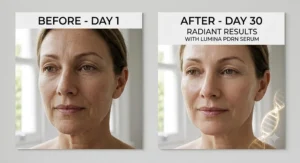
FRANKLY markets this serum around a 99% purity claim for its salmon-derived PDRN, positioning it specifically for post-microneedling recovery and for skin dealing with redness or visible damage rather than as a general-purpose anti-aging step. Purity percentages in skincare marketing deserve a healthy dose of scrutiny, since they describe the ingredient’s isolate quality rather than its concentration in the finished formula, but the brand’s framing around glass-skin results and a lightweight, non-sticky finish lines up with what reviewers of similar high-purity Korean formulas tend to report. What most buyers overlook about “recovery” serums like this one is that soothing performance matters just as much as active potency; a serum that stings or feels heavy on compromised skin defeats its own purpose regardless of what’s in the bottle. FRANKLY’s texture profile, based on aggregated formulation feedback for comparable Korean PDRN serums, leans toward the gentle end, which fits its stated recovery use case better than a heavier, more occlusive cream would.
Pros:
- ✅ High-purity PDRN positioning for damaged or reactive skin
- ✅ Lightweight, non-sticky finish suited to recovery periods
- ✅ Clear focus on redness reduction, not just anti-aging
Cons:
- ❌ “99% purity” claims are hard to independently verify
- ❌ Less peptide variety than multi-active formulas
Skin dealing with redness, sensitivity, or recent procedures should look at FRANKLY Salmon PDRN Bounce Ball Serum in the C$30-C$40 range before reaching for a heavier active.
7. Apparent. PDRN Salmon DNA Serum — best clearly-labelled concentration for value shoppers
Apparent. does something a lot of competitors skip: it puts the actual concentration, 1% or roughly 10,000 ppm, right in the product name instead of burying it in fine print or omitting it entirely. That transparency alone makes comparison shopping easier, since you can weigh this serum’s stated potency directly against Rejuran’s 0.5% c-PDRN or YouthVibe’s 0.5% formula without guessing. The formula rounds out with collagen, hyaluronic acid, and tripeptide-1 peptides plus vitamins B, C, and E, aiming at hydration and elasticity support in a single 27 mL bottle. Reviewers consistently note the formula is free from parabens, sulphates, silicones, synthetic fragrance, and mineral oils, which matters for buyers actively avoiding those categories regardless of how they feel about PDRN specifically. On paper, this reads as a solid middle-ground option: higher disclosed concentration than most competitors here, a clean-formula ingredient list, and a price that stays in line with the category average rather than pushing into premium territory.
Pros:
- ✅ Concentration disclosed clearly in the product name
- ✅ Clean formula free of common irritant categories
- ✅ Vitamin B, C, and E blend supports elasticity claims
Cons:
- ❌ Smaller 27 mL bottle than most competitors
- ❌ Newer, small-business brand with a shorter track record
For shoppers who want to compare concentration numbers apples-to-apples, Apparent. PDRN Salmon DNA Serum in the C$25-C$35 range makes that comparison easy.
Practical Usage Guide: Getting PDRN Into Your Routine Correctly
The classic Korean layering order for PDRN puts it right after cleansing and toning, before your moisturizer and SPF, since these are typically water-based essence or ampoule textures designed to sink in fast rather than sit on top of heavier products. Most people don’t need to double up on multiple PDRN steps at once; picking one format, whether that’s the essence, ampoule, or serum tier, and giving it several weeks is a more reliable test than layering three PDRN products simultaneously and losing track of what’s actually working.
In the first 30 days, the most common mistake is impatience. PDRN works through a signalling mechanism, not an exfoliating or resurfacing one, so visible texture changes tend to build gradually over two to four weeks rather than overnight, and expecting retinol-speed results is a setup for disappointment. Patch-test on the inner forearm for 24 hours before full-face application, particularly with higher-concentration formulas like Apparent.’s 10,000 ppm serum, since individual sensitivity to any new active is impossible to predict from an ingredient list alone. Store bottles away from direct sunlight and heat, and if you’re using the vial format from TRSTAY LUXE, keep unopened vials in their original packaging until use, since the whole point of single-dose packaging is avoiding early exposure to air.
Maintenance is simple: most PDRN serums are shelf-stable for six to twelve months once opened, though the ingredient itself is generally considered fairly stable compared to more reactive actives like vitamin C. If you notice increased redness, breakouts, or stinging that doesn’t settle within the first week of use, that’s your cue to pause rather than push through it.
Real-World Scenarios: Who Should Actually Buy Which Serum
Consider a 28-year-old who just started at-home microneedling once every two weeks and wants a recovery step that won’t introduce contamination risk to freshly-channeled skin. The TRSTAY LUXE vial format is the obvious fit here, both for the single-use hygiene benefit and because the formula is specifically positioned around post-procedure calm rather than aggressive daily anti-aging.
Now picture someone in their mid-40s with established fine lines who has already tried retinol and vitamin C separately and wants a genuinely different mechanism to add into the mix without abandoning their existing routine. Rejuran’s Turnover Ampoule, with its clinical brand history and 0.5% c-PDRN concentration, targets exactly that buyer: someone with disposable income who’s past the experimentation phase and wants proven formulation quality.
Finally, think about a university student with reactive, easily-irritated skin who’s curious about the ingredient after seeing it on social media but doesn’t want to gamble a full paycheque on an unfamiliar active. Anua’s fragrance-free PDRN 100+ Serum or YouthVibe’s budget 0.5% formula both make sense here, since either lets that buyer test their skin’s response at a price point where a bad reaction isn’t a financial disaster.
Problem → Solution: Fixing Common PDRN Frustrations
If your skin feels sticky or tacky after applying a PDRN serum, the fix usually isn’t the active ingredient itself but rather what it’s layered under; switch to a lighter follow-up moisturizer or reduce the number of hydrating steps stacked on top, since over-layering humectant-heavy products is the more common culprit than PDRN alone.
If you’re seeing no visible change after two weeks, the honest answer is that two weeks often isn’t enough time. Aggregated reviewer sentiment across multiple PDRN products points to a four-to-six-week window before firmness or texture improvements become noticeable, so extending the trial period before switching products is usually the better move.
If mild redness or tingling shows up on first use, that’s a signal to scale back frequency rather than abandon the product outright; try every-other-night application for the first week and monitor before deciding whether the formula is genuinely incompatible with your skin.
If you can’t tell whether a listing is a legitimate PDRN serum or a diluted knockoff riding the trend, check whether the concentration or ppm value is disclosed anywhere on the packaging or listing, the way Apparent. and YouthVibe do; brands confident in their formulation tend to share that number rather than hide behind vague marketing language.
How to Choose the Best PDRN Serum
- Check the disclosed concentration. Serums that state a percentage or ppm value, like Apparent.’s 10,000 ppm or Rejuran’s 0.5% c-PDRN, give you something concrete to compare rather than a marketing buzzword.
- Match the format to your use case. Bottle serums suit daily rotation; single-use vials like TRSTAY LUXE suit post-procedure or higher-contamination-risk scenarios.
- Read the full ingredient list, not just the headline. Peptides, niacinamide, and hyaluronic acid pairings each change how a PDRN serum behaves on your specific skin type.
- Weigh fragrance and preservative sensitivity. Fragrance-free options like Anua’s reduce irritation risk for reactive skin, even if it means a shorter ingredient list overall.
- Set a realistic budget tier. Budget picks around C$25-C$35 are ideal for testing; premium picks near C$75-C$90 make more sense once you already know PDRN works for you.
- Look for genuine, aggregated review volume. A large real review base, like Medicube’s, is a more trustworthy signal than a single glowing testimonial.
- Confirm it’s actually being sold as a cosmetic, not a medical claim. Products making disease-treatment claims may fall outside standard cosmetic regulation entirely.
PDRN Anti-Aging Benefits: What the Science Actually Shows
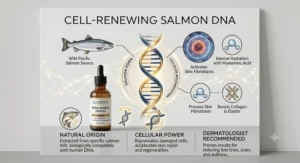
Strip away the “salmon sperm” headlines and the underlying research is genuinely more measured, and more interesting, than the internet buzz suggests. PDRN primarily works by activating the adenosine A2A receptor on skin cells, a mechanism that triggers cell proliferation, reduces inflammatory signalling, and supports collagen and elastin synthesis through fibroblast activity. That’s not a cosmetic-industry talking point; it’s the same mechanism studied in decades of wound-healing literature before PDRN ever appeared in a serum bottle.
A 2025 systematic review of polynucleotide-based aesthetic treatments concluded that clinical and experimental evidence supports PDRN’s role in enhancing skin elasticity, reducing the visible appearance of wrinkles, and improving overall tissue quality, while also noting the safety profile has been consistently favourable across studies. That’s an encouraging combination, but it’s worth being precise about what’s actually been tested: a large share of the strongest clinical evidence comes from injectable or in-clinic PDRN treatments rather than topical serums applied at home, and topical formulations don’t penetrate the skin barrier nearly as deeply as an injection does. Reviewers and dermatologists alike describe topical PDRN’s current standing as promising but still evolving, which is a fair summary rather than a dismissal.
What that means practically: expect PDRN serums to support hydration, calm inflammation, and modestly encourage collagen activity over consistent use, rather than delivering injectable-level wrinkle reduction from a bottle. That’s still a meaningful benefit category, particularly for people managing sensitized or post-procedure skin, but it’s a different promise than the “instant facelift in a jar” framing some marketing leans into.
Cellular Regeneration and Tissue Repair: How PDRN Works at the Skin Level
The phrase “cellular regeneration” gets thrown around loosely in skincare marketing, so it’s worth grounding in what actually happens biologically. PDRN is a mixture of DNA fragments, generally ranging from roughly 50 to 2,000 base pairs, extracted and purified from salmon or trout sperm cells because that genetic material closely resembles human DNA, which is precisely why skin cells recognize and respond to it rather than treating it as a foreign irritant, as documented on Wikipedia’s overview of the compound.
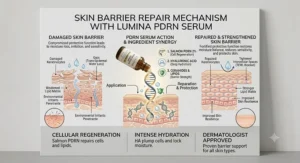
Once applied, PDRN fragments interact with adenosine receptors that sit on the surface of skin cells, kicking off a cascade: increased fibroblast proliferation, accelerated collagen synthesis, improved local blood flow through angiogenesis, and a measurable reduction in inflammatory markers. A comprehensive review of PDRN’s role in impaired wound healing found the compound promotes cell migration and growth while reducing inflammation across in vitro, in vivo, and clinical models, with a consistently strong safety record even under repeated systemic administration in toxicity studies, according to a peer-reviewed analysis published in Pharmaceuticals.
That angiogenesis piece is easy to overlook but genuinely important for tissue repair specifically. Improved blood flow to a treated area means more oxygen and nutrients reaching the cells doing the actual rebuilding work, which is part of why PDRN was adopted for diabetic foot ulcers before it ever touched a skincare shelf. Translated to a nightly serum, that same mechanism is doing quieter, slower work: supporting the skin’s own repair processes rather than actively resurfacing or exfoliating the way an acid or retinol would.
Korean Innovation, Amazon Availability, and Regenerating Serum Reviews
PDRN’s retail journey started in Korean dermatology clinics around the early-to-mid 2010s, where it was administered as an injectable treatment nicknamed “salmon injections” well before any topical version existed. Korean cosmetic chemists spent years solving a genuinely hard formulation problem: PDRN molecules needed to be small enough to penetrate the skin barrier topically while staying biologically active, since simply diluting an injectable-grade compound into a serum doesn’t guarantee it will actually do anything once applied to intact skin. That R&D effort is a big part of why Korean brands, rather than Western ones, currently dominate the topical PDRN category, and it’s a genuine point of skincare-industry innovation rather than just clever marketing timing.
On the salmon DNA serum Amazon shopping experience specifically, the category has grown crowded fast, with dozens of competing listings using near-identical marketing language and stock photography. That makes it harder, not easier, to identify which regenerating serum review claims are backed by real aggregated sentiment versus which listings are simply newer entrants riding the trend with thin review histories. The safest approach is prioritizing listings with substantial review counts, like Medicube’s documented 8,000-plus five-star ratings, over unfamiliar brands with a handful of reviews and suspiciously uniform five-star language. It’s also worth checking whether a listing discloses its PDRN concentration at all; brands with nothing to hide about their formulation tend to share that number rather than lean entirely on “Korean skincare” branding to do the selling for them.
✨ Don’t Miss These Exclusive Deals!
🔍 Take your PDRN routine to the next level with these carefully selected picks. Click on any highlighted product to check current pricing and availability on amazon.ca. These serums will help you build a regenerating, glow-focused routine your future self will thank you for!
PDRN Serum vs Traditional Anti-Aging Actives
Retinol and vitamin C have decades of clinical backing behind them, so the fair question isn’t whether PDRN should replace either one, but where it fits alongside them.
| Factor | PDRN Serum | Retinol | Vitamin C |
|---|---|---|---|
| Primary mechanism | Cell signalling, tissue repair | Cell turnover, exfoliation | Antioxidant, brightening |
| Typical irritation risk | Low to moderate | Moderate to high | Low to moderate |
| Time to visible results | 4-6 weeks | 8-12 weeks | 4-8 weeks |
| Best For | Post-procedure recovery, sensitized skin | Fine lines, texture, acne | Dullness, uneven tone |
The table makes the complementary relationship obvious: retinol works primarily by accelerating cell turnover and can be genuinely harsh on compromised skin, while PDRN’s calmer, signalling-based mechanism makes it a reasonable partner during retinol recovery weeks rather than a direct competitor. Vitamin C and PDRN overlap less in mechanism and more in general skin-health goals, so layering them is generally fine, though introducing any two actives simultaneously makes it harder to know which one deserves credit if your skin reacts poorly. For anyone currently on a retinol schedule, PDRN on off-nights is a reasonable way to support barrier recovery without abandoning the retinol routine that’s likely doing the heavier structural lifting.
Common Mistakes When Buying a PDRN Serum
The most frequent mistake is treating every “PDRN” label as equivalent regardless of disclosed concentration, when a serum with an unlisted or vague ppm value could contain a fraction of the active found in a transparently-labelled competitor at a similar price. A close second is expecting injectable-level results from a topical formula; the mechanism is shared, but delivery method changes the outcome significantly, and marketing copy rarely makes that distinction clear. Buyers also frequently skip the patch test specifically because PDRN is marketed as “natural” and “gentle,” forgetting that any new active carries some individual reaction risk regardless of its regenerative reputation. Finally, chasing the newest, most obscure listing because it claims a higher ppm number than established brands is a gamble; without a track record of real reviews, that number is unverifiable, and a lower, disclosed concentration from a reputable brand often outperforms an unverified high number from an unknown one.
Safety, Regulations, and Compliance: PDRN Skincare in Canada
Cosmetics sold in Canada, including PDRN serums imported from Korea or the United States, fall under the Food and Drugs Act and the Cosmetic Regulations, enforced by Health Canada. Manufacturers and importers are required to submit a Cosmetic Notification Form within ten days of a product’s first sale in Canada, disclosing the full ingredient list and confirming the product doesn’t contain anything on the Cosmetic Ingredient Hotlist of prohibited or restricted substances, as outlined on Health Canada’s cosmetic safety page. That notification process doesn’t constitute a government stamp of approval, but it does mean legitimate importers are on record and accountable if a safety concern arises.
For PDRN specifically, safety data across multiple clinical reviews has been consistently favourable, with acute and chronic toxicity studies in animal models showing no adverse effects on major organs even under repeated systemic administration, a considerably higher bar than a topical serum will ever be tested against. That said, PDRN products should be avoided on broken or actively irritated skin, and anyone on blood-thinning medication or with a known allergy to fish products should check with a healthcare provider before starting a PDRN routine, given its biological origin. As with any actively regenerative ingredient, sun protection matters more, not less, while using it, since freshly stimulated skin cells can be more UV-sensitive during the repair process.
Frequently Asked Questions
❓ Is PDRN serum safe for daily use?
❓ How long does it take to see results from a PDRN serum?
❓ Can I use PDRN serum with retinol?
❓ Is PDRN serum vegan?
❓ Why is PDRN serum so expensive compared to regular serums?
Conclusion
PDRN earns its spotlight through a genuinely unusual origin story, but the ingredient science underneath it is legitimate, well-documented tissue-repair biology rather than a fleeting trend built on nothing. Whether you start with Medicube’s accessible bestseller, ease in with Anua’s fragrance-free formula, or go straight to Rejuran’s clinic-grade ampoule, the smartest approach is matching the concentration, format, and price tier to what your skin actually needs rather than chasing whichever bottle is trending loudest this week. Give any pick a genuine four-to-six-week trial, patch test first, and keep sun protection non-negotiable while your skin does its quiet, cellular-level repair work in the background.
Recommended for You
- Cica Serum for Redness: 7 Proven Picks to Calm Skin (2026)
- Best Niacinamide Serum for Acne Scars in Canada 2026: 7 Proven Picks
- 6 Best Barrier Repair Toners in Canada (2026)
Disclaimer: This article contains affiliate links. As an Amazon Associate, I earn from qualifying purchases. If you purchase products through these links, we may earn a small commission at no additional cost to you.
✨ Found this helpful? Share it with your friends! 💬🤗
