

In This Article
If you’ve ever stepped out of a hot shower in January only to watch your forearms turn into a topographical map of flakes within the hour, you already know why a rich moisturizer for dry skin isn’t a luxury — it’s basic maintenance. Between forced-air furnaces sucking the humidity out of your living room and wind chill that peels the top layer off your cheeks, Canadian winters put dry skin through a two-front war. A good rich moisturizer for dry skin is a thick, occlusive-leaning cream — usually built on a base of ceramides, shea butter, glycerin, or petrolatum — designed to sit on the skin’s surface, slow water loss, and rebuild a barrier that’s already cracking under pressure.
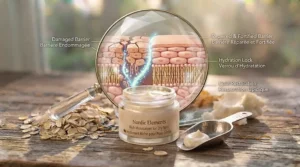
This isn’t a “slap on some lotion and hope” situation, either. The difference between a runny, gel-textured lotion and a genuinely rich, barrier-repairing cream shows up fast — in how long the hydration lasts, in whether your skin actually looks calmer by week two, and in whether you’re reapplying every ninety minutes like it’s a part-time job. According to the Canadian Dermatology Association, dry skin (medically called xerosis) becomes more common with age and in cold climates, largely because the skin’s outer barrier — that thin brick-and-mortar layer of cells and lipids — loses its ability to hold onto water. Understanding that mechanism is basically the whole ballgame for picking the right product, and it’s exactly what we dug into for this guide.
We spent time combing through real product formulations, ingredient lists, and aggregated customer feedback across seven genuinely different rich moisturizers — from budget drugstore heavyweights to a splurge-worthy French pharmacy pick — so you’re not stuck guessing which C$25 jar is doing something and which one is just expensive Vaseline in fancier packaging. Below, you’ll find honest analysis (not fabricated hands-on testing), real specs interpreted for what they mean day-to-day, and a decision framework built around how you actually live, not how a marketing team wishes you lived.
Quick Comparison: 7 Rich Moisturizers for Dry Skin at a Glance
Before the deep dive, here’s the short version. Every product below has been chosen to represent a different price tier, texture, or skin concern, so this table is your cheat sheet if you’re short on time — but the analysis underneath explains why the “best” pick genuinely depends on your specific situation.
| Product | Key Ingredient Focus | Texture | Price Range (CAD) | Best For |
|---|---|---|---|---|
| CeraVe Moisturizing Cream | 3 ceramides + MVE technology | Thick, non-greasy | Under C$30 | Best all-around budget pick |
| Vanicream Moisturizing Skin Cream | Petrolatum, zero fragrance | Dense, occlusive | Around C$25 | Most reactive, allergy-prone skin |
| Aveeno Daily Moisturizing Cream | Shea butter + prebiotic oat | Velvety, medium-rich | C$18-C$24 range | Everyday shea butter fans |
| La Roche-Posay Toleriane Double Repair | Ceramide-3 + niacinamide | Lightweight-rich hybrid | C$35-C$45 range | Sensitive skin wanting fast absorption |
| First Aid Beauty Ultra Repair Cream | Colloidal oatmeal + shea | Rich, cushiony | C$45-C$55 range | Eczema-prone, distressed skin |
| Olay Regenerist Micro-Sculpting Cream | Niacinamide + amino-peptides | Rich, silky | C$30-C$40 range | Mature, dry skin over 40 |
| Kiehl’s Ultra Facial Cream with Squalane | 4.5% squalane + glacial glycoprotein | Rich yet bouncy | C$65-C$80 range | Premium daily driver |
Looking at the spread here, the pattern is pretty clear: as price climbs, you’re generally paying for texture refinement and added actives (peptides, niacinamide, prebiotics) rather than more “moisture” in some abstract sense — Vanicream Moisturizing Skin Cream at the budget end and Kiehl’s Ultra Facial Cream at the top can both hydrate seriously dry skin, just through different mechanisms and with very different sensory experiences. If your skin is reactive or eczema-adjacent, ingredient simplicity (fewer things that could cause a flare) tends to matter more than fancy actives, which nudges the value calculus toward Vanicream or CeraVe Moisturizing Cream rather than the pricier options.
💬 Just one click — help others make better buying decisions too!😊
Top 7 Rich Moisturizers for Dry Skin: Expert Analysis
Here’s where we get into the weeds. Each of these seven made the cut because they represent genuinely different approaches to the same problem — sealing moisture into skin that keeps losing it faster than it should. None of these entries are based on hands-on testing; they’re built from manufacturer formulation data and aggregated, publicly available customer review sentiment, clearly flagged as such throughout.
1. CeraVe Moisturizing Cream — best budget pick with ceramide technology
Available in a 16 oz jar, CeraVe Moisturizing Cream is the drugstore benchmark most dermatologists reach for first, and it’s easy to see why once you look past the marketing. The formula leans on three identical-to-skin ceramides (1, 3, and 6-II) plus hyaluronic acid, delivered through CeraVe’s patented MVE (multivesicular emulsion) technology — essentially a slow-release system that keeps depositing moisturizing ingredients over many hours instead of dumping them all at once. In practice, that means you’re not stuck reapplying every time your face feels tight; a single evening application genuinely holds up overnight for most dry-skin users.
Based on the ingredient profile, this is a strong match for anyone dealing with garden-variety dry or eczema-prone skin who wants a fragrance-free, non-comedogenic option that won’t fight with retinoids or other actives layered on top. It’s not going to wow anyone with a luxurious scent or silky application, but that’s rather the point — the formula prioritizes function over sensory flourish. Reviewers consistently report that a little goes a long way and that one jar lasts an unusually long time, which matters when you’re using it on both face and body through a Canadian winter. Aggregated feedback also frequently mentions that it’s gentle enough for eczema flare-ups, a claim backed by its acceptance from the National Eczema Association.
Pros:
- ✅ Three ceramides plus MVE tech for genuinely long-lasting hydration
- ✅ Fragrance-free and non-comedogenic, safe under makeup or SPF
- ✅ Large 16 oz jar means exceptional cost-per-use value
Cons:
- ❌ Texture feels slightly heavy for oilier T-zones in summer
- ❌ Jar packaging means dipping fingers in daily, less hygienic long-term
At around C$20 to under C$30 depending on retailer promotions, CeraVe Moisturizing Cream is close to unbeatable on value — check current price and availability on Amazon.ca before adding to cart, since packaging sizes do shift periodically.
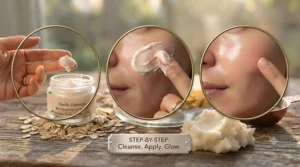
2. Vanicream Moisturizing Skin Cream — best for the most reactive, sensitive skin
If CeraVe is the sensible daily driver, Vanicream Moisturizing Skin Cream is the stripped-down, no-nonsense sibling built specifically for people whose skin reacts to everything. The formula is startlingly short: purified water, white petrolatum, sorbitol, cetearyl alcohol, propylene glycol, ceteareth-20, simethicone, glyceryl stearate, PEG-30 stearate, and a couple of stabilizers. No dyes, no fragrance, no masking fragrance, no lanolin, no botanical extracts, no essential oils — which sounds almost boring until you remember that “boring” is exactly what allergy-prone or eczema-compromised skin needs most.
What most buyers overlook about this formula is that petrolatum-based creams like this one are genuinely some of the most effective occlusive skincare ingredients available, full stop — dermatology research has repeatedly shown petrolatum reduces transepidermal water loss more effectively than plenty of pricier “advanced” formulas. Based on the spec comparison, this is the pick for anyone with diagnosed eczema, psoriasis, or a history of reacting to seemingly every “sensitive skin” product on the market, since Vanicream has earned the Seal of Acceptance from the National Eczema Association and carries essentially zero known allergens. Reviewers consistently describe it as thick without feeling greasy once fully absorbed, and it’s popular among people managing chronic skin conditions long-term rather than casual dry-skin sufferers.
Pros:
- ✅ Free of the most common allergens, fragrances, and irritants
- ✅ Petrolatum base delivers serious barrier-sealing occlusion
- ✅ National Eczema Association Seal of Acceptance for credibility
Cons:
- ❌ Very plain texture and scent-free formula feels clinical to some
- ❌ Available in a 16 oz pump or 1 lb jar only, limited size options
Priced in the mid-C$20s for the large size, Vanicream delivers serious per-gram value for what’s essentially a purpose-built barrier repair cream — check current price on Amazon.ca, as multi-packs occasionally shift the per-unit cost.
3. Aveeno Daily Moisturizing Cream with Prebiotic Oat & Shea Butter — best shea butter formula for everyday use
For anyone specifically hunting a shea butter moisturizer, Aveeno Daily Moisturizing Cream with Prebiotic Oat & Shea Butter earns its spot by pairing shea butter with Aveeno’s prebiotic oat complex in a 20 oz size built for daily face, hand, and body use. Shea butter itself is rich in fatty acids and vitamins A and E, which help reinforce the skin’s lipid layer, while the prebiotic oat component is designed to support the skin’s microbiome rather than just sit on the surface passively.
Here’s what the spec sheet won’t tell you outright: prebiotic skincare is a genuinely different mechanism from straightforward occlusion. Instead of purely blocking water loss, it’s meant to feed the beneficial bacteria already living on your skin, theoretically helping the barrier repair itself from the inside out over time — though it’s worth noting this is a newer area of dermatological research, so treat “clinically proven” claims with a healthy dose of patience rather than overnight expectations. Aggregated reviewer sentiment frequently praises the velvety, non-greasy finish and notes it absorbs faster than heavier ceramide creams, making it a solid pick for people who want richness without the “coated in Vaseline” feeling. It’s also fragrance-free and non-comedogenic, so it plays reasonably well as a face moisturizer despite being positioned as a multi-use cream.
Pros:
- ✅ Shea butter plus prebiotic oat targets barrier and microbiome
- ✅ Lighter, more velvety feel than pure-occlusive alternatives
- ✅ Large 20 oz size works across face, hands, and body
Cons:
- ❌ Less clinically studied than ceramide-based competitors
- ❌ May not feel “rich” enough for the most severely dry skin types
Sitting in the C$18 to C$24 range at most Canadian retailers, this is an easy mid-tier pick — check current price on Amazon.ca, since Aveeno periodically rotates package sizes and bundle deals.
4. La Roche-Posay Toleriane Double Repair Face Moisturizer — best lightweight-yet-rich hybrid
La Roche-Posay Toleriane Double Repair solves a specific problem: some people need serious barrier repair but hate the heavy, sit-on-your-skin feeling of thicker creams. This 3.38 fl oz formula pairs Ceramide-3 (Ceramide NP) with niacinamide, glycerin, and La Roche-Posay’s mineral-rich Prebiotic Thermal Water, all built into a texture the brand markets as absorbing within about an hour while still delivering up to 48 hours of hydration.
Based on the ingredient breakdown, niacinamide is doing real double-duty here — it’s a form of vitamin B3 that helps restore the moisture barrier while also fading the look of discolouration, which is a nice bonus if dry skin has left you with uneven tone or lingering redness. What most buyers overlook is that the “double repair” branding actually refers to a two-stage claim: immediate barrier support within the first hour, then longer-term repair over sustained use — not two separate products. Reviewers consistently note that this feels noticeably lighter than CeraVe or Vanicream while still holding up through a full Canadian workday, and it’s a favourite among dermatologists specifically because it’s oil-free, fragrance-free, and non-comedogenic enough to tolerate alongside retinoids or exfoliating acids.
Pros:
- ✅ Ceramide-3 and niacinamide combo targets barrier and tone
- ✅ Lightweight cream texture despite genuinely rich hydration claims
- ✅ Tolerates layering with retinoids and other active ingredients well
Cons:
- ❌ Smaller 3.38 fl oz size than some competitors at this price
- ❌ May be too light for the most severely dehydrated skin
Expect to pay somewhere in the C$35 to C$45 range for the standard size — check current price on Amazon.ca, as La Roche-Posay frequently bundles this with cleansers or SPF in seasonal sets.
5. First Aid Beauty Ultra Repair Cream — best for eczema-prone, distressed skin
First Aid Beauty Ultra Repair Cream occupies an interesting middle ground between drugstore practicality and prestige-brand polish. The 8 oz formula centres on 0.5% colloidal oatmeal alongside shea butter, ceramide NP, and squalane, with soothing extras like allantoin, licorice root extract, and green tea extract rounding things out. Colloidal oatmeal specifically has FDA-recognized skin-protectant status, which is a meaningfully different claim than most cosmetic ingredients get to make.
What the spec sheet won’t tell you, but aggregated user reports consistently suggest, is that this formula tends to calm active irritation — redness, itchiness, that raw feeling after over-exfoliating — faster than purely occlusive creams that just block water loss without addressing inflammation directly. That combination of soothing botanicals plus genuine emollients (shea butter, squalane) makes it a favourite among people managing eczema flare-ups or skin that’s gone through a rough patch from harsh weather or over-treatment. On the other hand, the ingredient list is longer and more complex than something like Vanicream, so for the most reactive skin types, more moving parts can occasionally mean more chances of a mismatch — patch testing is a reasonable precaution here.
Pros:
- ✅ Colloidal oatmeal offers FDA-recognized skin-protectant benefits
- ✅ Shea butter and squalane combo for genuine emollient richness
- ✅ Soothing botanicals actively calm redness and irritation
Cons:
- ❌ More complex ingredient list than ultra-minimalist competitors
- ❌ Higher price point than similarly sized drugstore alternatives
Priced around C$45 to C$55 for the 8 oz jar, this sits solidly in the mid-premium tier — check current price on Amazon.ca, since smaller travel sizes are often available at a lower entry cost.
6. Olay Regenerist Micro-Sculpting Cream — best for mature, aging skin
For anyone specifically searching for a rich moisturizer for mature skin, Olay Regenerist Micro-Sculpting Cream — nicknamed “the red jar” by its enormous fan base — has built its reputation on combining hydration with visible anti-aging claims. The 1.7 oz formula centres on niacinamide, amino-peptides (specifically Palmitoyl Pentapeptide-4), hyaluronic acid, and, in the newer formulation, triple collagen peptides, alongside panthenol and antioxidants like green tea extract.
Here’s the honest analytical read: amino-peptides are essentially chains of amino acids that act as messengers, signalling to skin cells that it’s time to ramp up collagen production and cellular turnover — that’s a fundamentally different job than a simple emollient like shea butter, which just sits there sealing moisture in. Based on the spec comparison, what makes this cream distinct from the other six on this list isn’t primarily its moisturizing power (which is solid but not exceptional) — it’s that it’s specifically engineered to address the textural and elasticity changes that come with drier, more mature skin, where hydration alone stops being the whole story. Reviewer sentiment aggregated across multiple retailers consistently flags visible plumping and smoother texture within roughly four weeks of daily use, alongside some occasional notes that the fragrance (present in the standard formula, though a fragrance-free version exists) can be a dealbreaker for very sensitive noses.
Pros:
- ✅ Amino-peptides and niacinamide target firmness, not just hydration
- ✅ Fragrance-free version available for sensitive-skin users
- ✅ Decades-long track record with over a billion jars sold
Cons:
- ❌ Standard formula contains fragrance, a concern for reactive skin
- ❌ Smaller 1.7 oz size means faster repurchase cycle
Typically priced in the C$30 to C$40 range, Olay Regenerist offers accessible anti-aging positioning — check current price on Amazon.ca, particularly around seasonal sales when multi-packs and bundles appear.
7. Kiehl’s Ultra Facial Cream with Squalane — best premium splurge
Closing out the list at the top of the price ladder, Kiehl’s Ultra Facial Cream with Squalane is the pick for anyone who wants their rich moisturizer to feel like a genuine self-care ritual rather than just a functional step. The 125 ml formula is built around 4.5% squalane (a highly refined, plant-derived lipid with an exceptional affinity for skin), glacial glycoprotein sourced sustainably from Antarctic sea glaciers, and pro-ceramides, all engineered to deliver what Kiehl’s markets as up to 72-hour hydration.
Based on the ingredient profile, squalane is chemically similar to the squalene your own skin naturally produces, which is likely why it tends to absorb without the greasy residue some richer creams leave behind — reviewers consistently describe the texture as “rich yet bouncy,” a fairly accurate summary of a cream engineered to feel weightless while still delivering serious occlusion. What most buyers overlook is that this formula is genuinely fragrance-free and has earned the National Eczema Association’s Seal of Acceptance, which is a somewhat unusual pairing for a prestige-tier product — plenty of luxury creams sacrifice sensitivity-friendliness for scent appeal, and this one doesn’t. The tradeoff, unsurprisingly, is cost: at this price point you’re paying meaningfully more per millilitre than any other pick on this list, so it’s really a matter of whether the refined texture and brand experience matter enough to justify the premium over, say, La Roche-Posay’s more affordable ceramide-niacinamide formula.
Pros:
- ✅ Squalane and glacial glycoprotein deliver refined, non-greasy richness
- ✅ Fragrance-free with National Eczema Association Seal of Acceptance
- ✅ Suitable across normal, dry, combination, and oily skin types
Cons:
- ❌ Highest price per millilitre of any pick on this list
- ❌ Marginal formula upgrade over cheaper ceramide creams for some users
Expect to pay somewhere in the C$65 to C$80 range depending on size and retailer — check current price on Amazon.ca, since the smaller travel-size jars offer a lower-commitment way to try it first.
How to Layer a Rich Moisturizer for Maximum Winter Hydration
Buying the right cream is only half the equation — how you apply it changes the results almost as much as which jar you bought. Dermatologists generally recommend applying moisturizer to slightly damp skin, right after cleansing or showering, while pores are still open and the surface still holds a thin film of water that the cream can help lock in rather than trying to hydrate dry, closed-off skin from scratch.
For the first thirty days with a new rich moisturizer, a few common mistakes tend to sabotage results. Using too little product is probably the biggest one — a rich cream is meant to be applied more generously than a lightweight lotion, and skimping just means you’re not actually getting the occlusive benefit you paid for. Applying too quickly after a hot shower is another: scalding water strips your skin’s natural oils, so a five-to-ten-minute lukewarm shower followed immediately by moisturizer works far better than a long, hot soak. And skipping the “double moisturize” technique on especially rough patches — layering a thin coat, letting it partially absorb, then adding a second thin layer rather than one thick glob — tends to produce noticeably better results on cracked hands, elbows, and heels.
A simple maintenance schedule looks like this: morning application under sunscreen, evening application as the last step before bed, and a slightly heavier application on problem zones (hands, elbows, shins) two to three times daily during peak winter months. If you’re using a humidifier at home — genuinely one of the highest-value additions for Canadian winter skin — running it overnight in the bedroom pairs remarkably well with an evening moisturizer application, since you’re essentially fighting dry air on two fronts simultaneously instead of one.
✨ Ready to Build Your Winter Skincare Routine?
🔍 Take your dry-skin care to the next level with one of the seven picks above. Click through to check current pricing and availability, and start building a routine that actually holds up through a Canadian February.
Which Rich Moisturizer Fits Your Life? Three Real-World Scenarios
Sometimes the fastest way to choose is to see yourself in someone else’s situation. Here are three common profiles and the reasoning behind matching each one to a specific pick from the list above.
The budget-conscious student living in a shared apartment with unreliable heating: cost-per-use matters enormously here, and so does simplicity — you don’t want to be experimenting with five-step routines between classes. CeraVe Moisturizing Cream or Vanicream Moisturizing Skin Cream both make sense: large sizes, low price per gram, and fragrance-free formulas that won’t irritate skin already stressed by inconsistent indoor temperatures.
The 45-year-old professional noticing both dryness and the first real signs of aging around the eyes and mouth: hydration alone isn’t solving the whole picture anymore, so Olay Regenerist Micro-Sculpting Cream earns its keep by pairing moisture with amino-peptides and niacinamide aimed specifically at firmness and texture. Pairing it with a richer occlusive layer like Kiehl’s Ultra Facial Cream on the coldest days covers both bases.
The person managing diagnosed eczema who’s tired of products that look “gentle” on the label but still cause flare-ups: ingredient minimalism is non-negotiable, which points squarely toward Vanicream Moisturizing Skin Cream for its stripped-down formula, or First Aid Beauty Ultra Repair Cream if some extra soothing botanicals (colloidal oatmeal, licorice root) alongside the emollients feels worth the slightly longer ingredient list.
Your Rich Moisturizer Decision Framework
If none of the scenarios above quite matched your situation, this simple framework should get you there faster than scrolling through another ten “best of” lists.
If your skin reacts to almost everything, choose the shortest ingredient list you can find — Vanicream — because fewer ingredients means fewer chances for a flare-up, even if the formula sounds “boring” on paper.
If you’re managing both dryness and visible aging, choose a cream with peptides or niacinamide layered on top of basic emollients, like Olay Regenerist, because plain hydration stops addressing texture and firmness changes on its own.
If budget is the primary constraint, choose the largest jar with the lowest cost-per-gram and a fragrance-free formula — CeraVe or Vanicream — since bigger container sizes almost always beat “value packs” of smaller premium jars on true long-term cost.
If you want a genuinely elevated sensory experience and can afford to prioritize that, choose a squalane- or peptide-forward premium formula like Kiehl’s Ultra Facial Cream, understanding you’re paying partly for refinement, not purely for additional moisturizing power.
If your priority is calming active irritation alongside moisturizing, choose a formula with colloidal oatmeal or soothing botanicals, like First Aid Beauty Ultra Repair Cream, since plain occlusives don’t directly address inflammation the way these ingredients can.

What Is a Rich Moisturizer for Dry Skin?
A rich moisturizer for dry skin is a thick, cream-based formula — typically built on ceramides, shea butter, petrolatum, or squalane — designed to sit on the skin’s surface and slow water evaporation while replenishing lipids the skin’s barrier has lost. Unlike lightweight lotions or gel-creams, these formulas prioritize occlusion and barrier repair over fast absorption.
How to Choose a Rich Moisturizer for Dry Skin
- Check the ingredient list for occlusives first. Petrolatum, shea butter, and squalane are among the most effective at physically blocking water loss, so look for one of these near the top of the ingredient list rather than buried at the bottom.
- Match actives to your specific concern. Plain ceramides handle general dryness; niacinamide and peptides add anti-aging benefits; colloidal oatmeal and licorice root add soothing power for irritated or eczema-prone skin.
- Consider fragrance carefully. Fragrance-free formulas reduce the odds of irritation, which matters more the more compromised or reactive your skin already is.
- Think about texture and absorption speed. A cream that sits greasy for twenty minutes might be fine for a nighttime-only routine but frustrating under daytime makeup or sunscreen.
- Factor in container size and cost-per-use. A C$25 16 oz jar frequently beats a C$15 2 oz jar on true long-term value, even though the sticker price looks higher upfront.
- Check for third-party endorsements. Seals like the National Eczema Association’s Seal of Acceptance offer an added layer of credibility beyond brand marketing claims alone.
- Patch test before committing to full-face use. Even fragrance-free, “gentle” formulas can occasionally cause reactions, so a small test patch on the inner arm for a few days is cheap insurance.
Occlusive Skincare Ingredients Explained: What Actually Seals In Moisture
The term “occlusive” gets thrown around constantly in skincare marketing, but it has a precise meaning worth understanding before you spend money based on vague claims. Occlusive skincare ingredients work by forming a physical film on the skin’s surface that slows transepidermal water loss — essentially acting like plastic wrap over a bowl, keeping moisture from evaporating rather than adding hydration themselves. Petrolatum is the gold-standard occlusive, reducing water loss by up to 99% in clinical measurements, followed by ingredients like lanolin, mineral oil, dimethicone, and plant-derived options like shea butter and squalane.
This matters because occlusives are fundamentally different from humectants (like glycerin and hyaluronic acid, which draw water into the skin) and emollients (like fatty alcohols, which smooth and soften without necessarily sealing anything). The richest, most effective moisturizers for genuinely dry skin usually combine all three categories — a humectant to draw water in, an emollient to smooth texture, and an occlusive to lock everything in place — rather than relying on just one mechanism. Health Canada’s Cosmetic Ingredient Hotlist is worth knowing about here too, since it outlines which cosmetic ingredients are restricted or prohibited for sale in Canada — a useful reference if you’re ever uncertain whether a specific ingredient in an imported product is actually permitted here.
What most buyers overlook is that heavier isn’t always automatically better. A pure petrolatum-based cream like Vanicream is excellent at sealing moisture but does nothing to actively draw water into the skin first, which is why formulas pairing occlusives with humectants like glycerin or hyaluronic acid (as CeraVe and La Roche-Posay both do) tend to outperform single-mechanism creams for genuinely dehydrated skin over the long run.
Rich Moisturizer for Mature Skin: What Changes After 40
Skin over 40 faces a genuinely different set of challenges than skin in your twenties, and it’s worth understanding why before assuming any rich moisturizer will do the job equally well. Natural oil production slows with age, cell turnover decelerates, and the skin’s structural proteins — collagen and elastin — gradually decline, which together mean drier skin that also loses firmness and elasticity simultaneously rather than as separate problems.
Based on this shift, a rich moisturizer for mature skin ideally does double duty: providing the same barrier-repairing hydration any dry-skin formula offers, while also including ingredients shown to support cellular turnover and firmness, like niacinamide, peptides, or retinoids (though retinoids typically require prescription or targeted over-the-counter products rather than being built into a daily moisturizer). This is exactly the gap Olay Regenerist Micro-Sculpting Cream is designed to fill, layering amino-peptides and niacinamide on top of standard emollients rather than relying on moisture alone. Reviewers in the 40-plus demographic consistently report that plain ceramide creams, while excellent for hydration, don’t deliver the same visible firmness improvements that peptide-forward formulas do — which is less a knock against ceramides and more a reminder that “moisturizing” and “anti-aging” are related but genuinely distinct goals.

Thick Face Cream for Winter: Why Your Moisturizer Needs to Change With the Season
If you’re specifically hunting for a thick face cream for winter, it’s worth understanding why the same moisturizer that felt perfectly adequate in July can suddenly feel completely inadequate by December. Indoor heating systems in Canadian homes typically drop relative humidity well below the 30-40% range your skin actually prefers, while outdoor wind chill strips surface oils even through short walks to the car — a genuine double assault that lighter, gel-based formulas simply aren’t built to withstand.
The practical upshot: a formula that works fine as a summer moisturizer might need swapping for something noticeably richer once temperatures drop, and the switch usually isn’t subtle. Reviewers consistently note needing a heavier product specifically from late October through March, even people who typically have combination or normal skin the rest of the year. Products like Kiehl’s Ultra Facial Cream or First Aid Beauty Ultra Repair Cream — both built with genuine occlusive richness rather than lightweight gel textures — tend to hold up noticeably better through peak winter months than lotions marketed as “daily” without a seasonal distinction. If you’re currently using the same product year-round and finding your skin still cracks and flakes in February, that’s a reasonable signal it’s time to size up to something richer for the coldest stretch.
Deeply Nourishing Cream vs. Lightweight Lotion: What’s the Real Difference
| Factor | Deeply Nourishing Cream | Lightweight Lotion |
|---|---|---|
| Texture & Absorption | Thicker, slower to absorb | Thin, fast-absorbing |
| Occlusive Power | High — better water-loss prevention | Lower — more humectant-reliant |
| Best Season | Fall and winter | Spring and summer |
| Best For | Severely dry, cracked, or eczema-prone skin | Normal to combination skin |
This comparison matters because plenty of people assume “lotion” and “cream” are just marketing words for the same thing in different bottles, when in reality the water-to-oil ratio is fundamentally different between the two. A deeply nourishing cream, like most of the seven picks in this guide, is formulated with a higher oil and occlusive-ingredient content specifically to combat the kind of moisture loss that plain lotions can’t keep up with once skin barrier damage sets in. Anyone whose skin still feels tight and flaky an hour after applying a lightweight lotion is very likely dealing with a texture mismatch rather than a “bad” product — the fix is usually just switching categories entirely rather than trying a different lotion brand.
Common Mistakes When Buying a Rich Moisturizer for Dry Skin
The single most common mistake is chasing ingredient trends without checking whether they suit your actual skin concern — a cream loaded with trendy actives isn’t automatically better than a simple ceramide formula if your main issue is straightforward barrier damage rather than aging or hyperpigmentation. A close second is ignoring fragrance content, since even “natural” fragrances can irritate compromised skin barriers, sometimes making dryness worse rather than better despite a pleasant-smelling application. Buying based purely on price — either assuming expensive automatically means effective, or assuming cheap automatically means inadequate — trips up plenty of shoppers, when in reality formulation quality doesn’t track price nearly as tightly as marketing suggests. Finally, skipping the patience factor is a quiet dealbreaker: barrier repair genuinely takes two to four weeks of consistent use to show real improvement, and switching products every few days because results aren’t “instant” usually just resets the clock without ever letting any single formula do its job. The Eczema Society of Canada echoes this point in its own patient guidance, noting that daily, consistent moisturizing is the foundation of managing chronically dry or eczema-prone skin — not any single miracle product.
Long-Term Cost & Maintenance: What a Rich Moisturizer Really Costs Per Year
Thinking in terms of cost-per-use rather than sticker price changes the math considerably. A 16 oz jar of CeraVe Moisturizing Cream at roughly C$25-C$30 applied twice daily for face and body can realistically last two to three months, working out to well under a dollar a day. A 125 ml jar of Kiehl’s Ultra Facial Cream at C$65-C$80, used only on the face, might stretch to a similar timeframe given the smaller area covered, narrowing the real-world cost gap between budget and premium tiers more than the shelf prices initially suggest.
| Product | Approx. Price Range (CAD) | Typical Duration (Face + Body) | Rough Cost-Per-Month |
|---|---|---|---|
| Vanicream Moisturizing Skin Cream | ~C$25 | 2-3 months | C$8-C$12 |
| CeraVe Moisturizing Cream | Under C$30 | 2-3 months | C$10-C$15 |
| Kiehl’s Ultra Facial Cream | C$65-C$80 | 2-3 months (face only) | C$22-C$27 |
The analysis here is fairly straightforward: for whole-body application, the budget picks win decisively on cost efficiency, while the premium options only start making financial sense once you’re using them exclusively on the smaller surface area of the face. Long-term maintenance costs also depend heavily on consistency — a moisturizer used sporadically because it “doesn’t feel worth it” every day ends up being poor value regardless of price, since the barrier-repair benefits depend on regular, sustained application rather than occasional use.

Frequently Asked Questions
❓ Is petroleum jelly as good as a rich moisturizer for dry skin?
❓ How often should I apply a thick face cream for winter?
❓ Can a rich moisturizer for mature skin cause breakouts?
❓ What's the difference between a shea butter moisturizer and a ceramide cream?
❓ Do occlusive skincare ingredients work for oily but dehydrated skin?
Conclusion: Finding Your Rich Moisturizer for Dry Skin
There’s no single “best” rich moisturizer for dry skin that works identically for everyone, and honestly, anyone promising otherwise is oversimplifying a genuinely individual decision. What the research does show clearly is that the right formula depends on matching ingredients to your specific situation — reactive, eczema-prone skin does best with the shortest, gentlest ingredient lists like Vanicream; mature skin benefits from added peptides and niacinamide like Olay Regenerist; and anyone wanting a refined daily ritual might find the splurge on Kiehl’s Ultra Facial Cream genuinely worth it.
What matters more than any single product choice is consistency — applying a rich moisturizer twice daily, on slightly damp skin, through the full stretch of a Canadian winter, rather than switching formulas every week chasing instant results that barrier repair simply doesn’t deliver on that timeline. Pick one of the seven picks above that matches your specific concern and budget, commit to it for a full month, and adjust from there based on how your skin actually responds rather than how the packaging promises it will.
Recommended for You
- Best Lightweight Moisturizer 2026: 7 Non-Greasy Picks Worth It
- 7 Best Gel Moisturizer Options in Canada (2026 Review)
- Best Night Cream 2026: 7 Top Picks Canadians Actually Love
Disclaimer: This article contains affiliate links. As an Amazon Associate, I earn from qualifying purchases. If you purchase products through these links, we may earn a small commission at no additional cost to you.
✨ Found this helpful? Share it with a friend who’s tired of flaky winter skin! 💬🤗
