
In This Article
Here’s a confession most skincare aisles won’t make: half the “hydrating” creams on the shelf are just sitting on top of your face, doing absolutely nothing except making your foundation slide off by lunch. If you’ve ever patted on a rich cream and felt like you were wearing a raincoat, you already know why the search for the best lightweight moisturizer matters so much this year.

A lightweight moisturizer is a fast-absorbing, low-viscosity face cream — usually gel, gel-cream, or lotion-based — that hydrates the skin without leaving an oily film or heavy residue behind. The category exists because not every face needs the same armour: oily, combination, and acne-prone skin types generally do better with a breathable formula than with a dense, occlusive cream. Whether you’re chasing a non-greasy face moisturizer for Toronto’s humid summers, a lightweight moisturizer for acne-prone skin, or simply a breathable face cream that survives a Calgary chinook without pilling under sunscreen, the right pick comes down to texture, ingredients, and how your specific skin behaves. According to the Canadian Dermatology Association’s Skin Health Program, the products dermatologists recognize as safest for daily use share a few traits in common: they’re low-irritant, fragrance-conscious, and formulated to avoid clogging pores — exactly the profile most lightweight moisturizers are built around.
This guide breaks down seven real, currently available options — from drugstore staples to a couple of pricier derm-developed formulas — with honest analysis of who each one actually suits, what the ingredient lists mean in practice, and where the value genuinely lies. No fluff, no invented five-star anecdotes — just a straight comparison so you can pick with confidence.
Quick Comparison Table
| Category | Product | Best For | Price Range (CAD) |
|---|---|---|---|
| Best Overall Budget Pick | Cetaphil Daily Oil-Free Hydrating Lotion | Everyday non-greasy hydration | Under C$20 |
| Best Budget with SPF | CeraVe Ultra-Light Moisturizing Lotion SPF 30 | Oily/combination skin needing sun protection | C$18-C$24 |
| Best Hydration Burst | Neutrogena Hydro Boost Water Gel | Dehydrated but oily-leaning skin | C$20-C$27 |
| Best for Sensitive/Acne-Prone | Vanicream Daily Facial Moisturizer | Reactive, breakout-prone skin | C$18-C$23 |
| Best Premium Pick | Clinique Dramatically Different Moisturizing Gel | Combination to oily skin wanting a prestige formula | C$45-C$55 |
Looking at the spread above, the pattern is clear: you don’t need to spend premium dollars to get a genuinely oil-free, breathable formula, since the Cetaphil Daily Oil-Free Hydrating Lotion and CeraVe Ultra-Light Moisturizing Lotion SPF 30 both deliver comparable lightweight textures for a fraction of the Clinique Dramatically Different Moisturizing Gel‘s price. Where the premium option earns its markup is in barrier-strengthening data and fragrance-free formulation rigour, which matters more if your skin reacts easily. For anyone whose main complaint is breakouts rather than oiliness specifically, the Vanicream Daily Facial Moisturizer stands apart because it strips out nearly every common irritant rather than just controlling shine.
💬 Just one click — help others make better buying decisions too!😊
Top 7 Lightweight Moisturizers: Expert Analysis
1. Cetaphil Daily Oil-Free Hydrating Lotion — best all-around budget non-greasy pick
The standout here is simplicity done well: this is a genuinely oil-free lotion that layers under sunscreen and makeup without leaving any tacky residue behind. Key specs include hyaluronic acid for water-binding hydration and a fragrance-free, non-comedogenic base designed for daily use on dry, oily, combination, and sensitive skin alike. In practice, that broad “suitable for all types” claim holds up better than most, because the formula’s thin, lotion-like viscosity absorbs in under a minute rather than sitting on the surface.
Based on the spec comparison with pricier gel-creams on this list, what most buyers overlook about this model is that its low ingredient complexity is actually a feature, not a limitation — fewer additives generally means fewer chances of irritation, which matters if you’re layering actives like retinoids or vitamin C serums underneath. Reviewers consistently report that it “disappears” into the skin within moments and doesn’t interfere with makeup application, though a handful note that during particularly dry Canadian winters, they need to add a facial oil on top for extra comfort.
Pros:
- ✅ Genuinely oil-free with a fast-absorbing, non-tacky finish
- ✅ Fragrance-free formula suitable for layering under actives
- ✅ Among the lowest cost-per-millilitre picks on this list
Cons:
- ❌ No built-in SPF, so a separate sunscreen step is still required
- ❌ Some reviewers find it under-hydrating for very dry winter skin
At around C$15-C$20 for a standard bottle, the Cetaphil Daily Oil-Free Hydrating Lotion represents strong value for anyone who wants a reliable daily driver rather than a specialty formula.
2. CeraVe Ultra-Light Moisturizing Lotion SPF 30 — best budget pick with built-in sun protection
What sets this one apart on the heading line is the matte, oil-free finish paired with broad-spectrum SPF 30 baked directly into the formula. The lotion is built around three ceramides, hyaluronic acid, and niacinamide, delivered through CeraVe’s patented slow-release MVE technology, which in practical terms means the hydrating ingredients keep working over several hours instead of evaporating within the first thirty minutes like some lighter serums do.
Here’s what to weigh: the SPF 30 protection means you can, in many routines, skip a separate daytime sunscreen step entirely, which is a real time and cost saving over buying two products. Reviewers consistently note that the matte finish suits oily and combination skin especially well, since it doesn’t add shine on top of the sun protection layer, though a smaller group with deeper skin tones have mentioned a very slight residue immediately after application before it fully sets.
Pros:
- ✅ Broad-spectrum SPF 30 built into a genuinely oil-free lotion
- ✅ Ceramide and hyaluronic acid combination supports the skin barrier
- ✅ Matte finish that layers cleanly under makeup
Cons:
- ❌ Requires reapplication for extended outdoor sun exposure like any sunscreen
- ❌ A few users note a faint residue on deeper skin tones right after application
Priced in the C$18-C$24 range, the CeraVe Ultra-Light Moisturizing Lotion SPF 30 consolidates two skincare steps into one, which is where its real value shows up.
3. Neutrogena Hydro Boost Water Gel — best for a hydration burst without heaviness
The defining feature is right in the name: this is a water-based gel, not a traditional cream, and that changes how it behaves on skin. Formulated around hyaluronic acid suspended in a water-gel base, it’s clinically tested to provide hydration that lasts, with a texture that feels closer to a splash of water than a layer of product. In practice, that means it absorbs almost instantly and leaves skin feeling “juicy” rather than coated — a texture description reviewers use often enough that it’s become something of a shorthand for the whole Hydro Boost line.
What the spec sheet won’t tell you, but reviewers note anyway, is how well this performs specifically for normal-to-oily skin that still gets dehydrated — a combination that trips up a lot of “for oily skin” formulas that assume oily always means well-hydrated. On the flip side, the standard formula does contain a light signature fragrance, and the jar packaging means repeated finger contact with the product, both of which matter more to fragrance-sensitive or acne-prone users than to everyone else.
Pros:
- ✅ Water-gel texture absorbs almost instantly, even in humid weather
- ✅ Hyaluronic acid formula is dermatologist tested for daily use
- ✅ Widely stocked at Canadian drugstores, making restocking easy
Cons:
- ❌ Contains added fragrance, which may not suit reactive skin
- ❌ Jar packaging invites more finger-to-product contact than a pump
Expect to pay roughly C$20-C$27 depending on jar size, which places the Neutrogena Hydro Boost Water Gel firmly in the mid-range for what it delivers.
4. Vanicream Daily Facial Moisturizer — best for sensitive and acne-prone skin
The standout advantage here is what’s missing rather than what’s included: no dyes, no fragrance, no lanolin, no parabens, and no masking fragrance, positioning it as one of the cleanest formulas on this list for reactive skin. Underneath that “free-from” label is a legitimately substantive formula — five key ceramides, hyaluronic acid, and squalane work together to support the skin’s barrier while a lightweight, non-comedogenic base keeps things from feeling heavy.
Based on the spec comparison, what most buyers overlook is that stripping out common irritants doesn’t mean stripping out efficacy — the ceramide count here is actually higher than most of the drugstore competition on this list. Reviewers consistently report that it’s their go-to during flare-ups of eczema, rosacea, or post-acne sensitivity precisely because it does its job without adding new irritants to the mix, and it’s frequently mentioned as the dermatologist-recommended pick for people who’ve reacted to nearly everything else.
Pros:
- ✅ Free of dyes, fragrance, lanolin, and parabens for reactive skin
- ✅ Five ceramides plus squalane support barrier repair without heaviness
- ✅ Widely recommended by dermatologists for sensitive and acne-prone users
Cons:
- ❌ Plain clinical packaging lacks the “spa” feel of pricier brands
- ❌ Smaller bottle size means more frequent repurchasing for daily users
At about C$18-C$23, the Vanicream Daily Facial Moisturizer is priced like a drugstore basic but formulated more like a dermatology-office recommendation.
5. La Roche-Posay Toleriane Double Repair Matte Face Moisturizer SPF 30 — best for oily and combination skin
This one’s built specifically for shine control, with a lightweight gel-cream texture and a genuine matte finish rather than the “satin” claim some brands stretch to mean the same thing. The formula centres on ceramide-3, niacinamide, glycerin, and La Roche-Posay’s prebiotic thermal water, combined with broad-spectrum SPF 30, and it’s designed to restore the skin’s protective barrier within about an hour while providing up to 48 hours of hydration.
Here’s what to weigh: niacinamide is doing real work in this formula beyond marketing language — it’s associated with reduced sebum production and a more even-looking pore texture, which is exactly the pain point combination and oily skin types describe most. Reviewers consistently note visible shine reduction through the day compared with their previous moisturizer, and the SPF integration checks the sun-protection box that dermatologists emphasize repeatedly for daily use. The trade-off is price, since this sits above most drugstore basics, and a minority of very dry-skinned users find the mattifying finish leaves them wanting an extra hydrating layer at night.
Pros:
- ✅ Genuine matte finish built for oily and combination skin types
- ✅ Niacinamide plus SPF 30 addresses shine control and sun protection together
- ✅ Prebiotic thermal water formula supports barrier repair within about an hour
Cons:
- ❌ Mid-range price sits above basic drugstore alternatives on this list
- ❌ Very dry-skinned users may find the matte finish under-hydrating
Priced around C$28-C$35, the La Roche-Posay Toleriane Double Repair Matte SPF 30 earns its higher cost through a formula genuinely engineered for one specific skin concern rather than a generic “all skin types” claim.
6. Clinique Dramatically Different Moisturizing Gel — best premium oil-free pick
The heading feature says it all: this is Clinique’s flagship oil-free gel, developed specifically for combination-to-oily skin as Step 3 in the brand’s long-running 3-Step skincare system. It’s formulated with a botanical blend of sunflower seed cake, barley extract, and cucumber fruit extract alongside hyaluronic acid, and Clinique’s own testing indicates it strengthens the skin’s moisture barrier by roughly 17% within two hours of use — a specific, measurable claim rather than a vague marketing promise.
On paper, this means the formula is doing double duty: hydrating through natural moisturizing factors (NMFs) that pull water into the skin, while also being 100% fragrance-free and allergy tested, which matters for anyone who’s been burned by scented “lightweight” gels before. Reviewers consistently describe the texture as closer to a gel-serum hybrid than a traditional cream, absorbing quickly enough to disappear before makeup application. The trade-off is straightforward: this is the most expensive product on this list, and it’s typically purchased alongside Clinique’s matching cleanser and clarifying lotion rather than as a standalone item, which adds to the total routine cost.
Pros:
- ✅ Dermatologist-developed with a measurable moisture-barrier improvement claim
- ✅ 100% fragrance-free and allergy tested formula
- ✅ Gel-serum hybrid texture absorbs quickly under makeup
Cons:
- ❌ Premium price point well above every other pick on this list
- ❌ Often purchased as part of a multi-step system, raising total routine cost
At roughly C$45-C$55, the Clinique Dramatically Different Moisturizing Gel is the splurge option here — justified mainly if you want a prestige formula with documented barrier-strengthening data behind it.
7. Good Molecules Lightweight Daily Moisturizer — best hidden-gem budget alternative
The standout feature is value density: a genuinely lightweight, non-greasy formula built around shea butter and hyaluronic acid, priced well below almost every other option on this list. It’s silicone-free, fragrance-free, alcohol-free, mineral-oil-free, and vegan, which is an unusually clean ingredient profile for a budget-tier product, and it’s designed specifically to layer well under sunscreen or makeup without pilling.
What most buyers overlook about this model is that “budget” doesn’t automatically mean “basic” here — the fatty-acid and antioxidant blend is doing comparable work to pricier gel-creams on this list, just without the brand markup. Because it’s a newer, smaller indie brand rather than an established pharmacy name, the pool of long-term Canadian reviews is thinner than for CeraVe or Neutrogena, so it’s worth treating this pick as a promising alternative to try in a smaller size first rather than stocking up blind. Distribution also skews toward online retailers rather than in-store shelves, which is worth planning around if you like to test-patch before committing.
Pros:
- ✅ Shea butter and hyaluronic acid combination at a budget price point
- ✅ Silicone-free, fragrance-free, vegan formula with a clean ingredient list
- ✅ Layers cleanly under sunscreen or makeup without pilling
Cons:
- ❌ Smaller brand means a thinner pool of long-term Canadian reviews
- ❌ Mostly available through online retailers rather than in-store
At around C$12-C$16, the Good Molecules Lightweight Daily Moisturizer is the best pick here for anyone who wants to try a genuinely lightweight formula without committing to a bigger spend.
How to Apply a Lightweight Moisturizer for Maximum Absorption
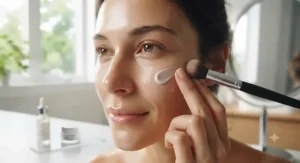
Getting the texture right on paper doesn’t matter much if the application routine works against it. Start with a clean, slightly damp face — pat it, don’t rub it dry — since a bit of residual moisture actually helps thinner gel and lotion formulas spread evenly rather than dragging on dry skin. Apply a dime-sized amount using upward, outward strokes, and give it a full sixty to ninety seconds to absorb before layering sunscreen or makeup on top; rushing this step is the single most common reason people complain that a “lightweight” product still feels like it’s pilling.
In the first thirty days, resist the urge to switch products if your skin looks slightly more textured than usual — barrier-repair ingredients like ceramides and niacinamide often need two to four weeks of consistent use before their effects become visible, according to general dermatological consensus. A common mistake is applying too many active layers underneath (multiple serums plus a moisturizer plus SPF), which can overwhelm even the lightest formula and create the greasy feel you were trying to avoid in the first place. For maintenance, store lightweight lotions and gels away from direct sunlight and heat, since thinner formulas with fewer stabilizers can separate faster than dense creams if left in a hot car or on a sunny windowsill.
Who Actually Needs a Lightweight Moisturizer? Three Real-World Profiles
Picture a university student in Montreal juggling humid September classrooms and an oily T-zone that shows up in every photo by 2 p.m. — for her, something like the Neutrogena Hydro Boost Water Gel or CeraVe Ultra-Light Moisturizing Lotion SPF 30 solves the immediate problem: hydration without the shine, plus built-in sun protection for walking to class. Budget matters here too, so the drugstore price point is doing double duty.
Now picture a 30-something professional in Vancouver dealing with occasional hormonal breakouts and skin that reacts to nearly every “clean beauty” product she’s tried. Her situation calls for something closer to the Vanicream Daily Facial Moisturizer — minimal ingredients, no fragrance, and a formula dermatologists specifically point reactive skin toward, even if the packaging isn’t Instagram-worthy.
Finally, picture a Calgary commuter in his 40s with combination skin — oily through the T-zone, tighter on the cheeks in winter — who wants one product that handles both shine control and genuine hydration without a two-step routine. The La Roche-Posay Toleriane Double Repair Matte SPF 30 or the splurge-worthy Clinique Dramatically Different Moisturizing Gel both fit that brief, with the choice mostly coming down to budget and whether he wants SPF built in.
Problem → Solution: Fixing Common Lightweight Moisturizer Complaints
Problem: “It still feels greasy by midday.” This is almost always an application or product-mismatch issue rather than a flaw in the category itself — try switching from a cream-based lightweight moisturizer to a true water-gel formula like the Neutrogena Hydro Boost Water Gel, and make sure you’re giving it a full minute to absorb before adding sunscreen on top.
Problem: “My skin still feels tight and dry.” A genuinely lightweight formula shouldn’t leave skin tight; if the Cetaphil Daily Oil-Free Hydrating Lotion or similar isn’t cutting it in winter, layering a hydrating serum underneath before the moisturizer — rather than switching to a heavier cream — usually solves it while keeping the non-greasy finish intact.
Problem: “It’s breaking me out.” Check for fragrance first, since that’s the most common hidden trigger in otherwise “lightweight” formulas; the Vanicream Daily Facial Moisturizer removes that variable almost entirely and is worth a patch test before assuming the whole category is the problem.
Problem: “I can’t tell if it’s actually working.” Barrier-repair ingredients like ceramides and niacinamide need consistent use over several weeks — judging a product after three days rarely tells you anything meaningful, so track texture and redness weekly instead of daily.
Problem: “I don’t know if I need SPF built in or separate.” If you’re consistently forgetting a separate sunscreen step, an SPF-integrated pick like the CeraVe Ultra-Light Moisturizing Lotion SPF 30 or La Roche-Posay Toleriane Double Repair Matte SPF 30 removes that friction entirely.
✨ Don’t Miss These Exclusive Deals!
🔍 Give your routine an upgrade with any of these dermatologist-informed picks. Tap through to check today’s pricing and availability, and find the lightweight, non-greasy hydration that actually fits your skin.
How to Choose the Best Lightweight Moisturizer
- Identify your primary skin concern first. Oily and combination skin generally does better with a gel or gel-cream texture, while acne-prone and sensitive skin should prioritize fragrance-free, minimal-ingredient formulas over texture alone.
- Check for “non-comedogenic” on the label, not just “oil-free.” The two terms aren’t interchangeable — a product can be technically oil-free while still containing pore-clogging silicones or waxes.
- Look for barrier-supporting ingredients like ceramides and niacinamide. These do more long-term work for skin health than humectants alone, especially if you use active ingredients like retinoids elsewhere in your routine.
- Decide whether you want SPF built in. Combining moisturizer and sunscreen into one step saves time and money, but a dedicated sunscreen typically offers more consistent, reapplication-friendly coverage.
- Match texture to season, not just skin type. Many Canadians reasonably rotate a lighter gel in humid summer months for something like the Neutrogena Hydro Boost Water Gel and a slightly richer lotion in dry winter conditions.
- Read the full ingredient list, not just the front-of-bottle claims. Fragrance, essential oils, and certain alcohols are the most common hidden irritants in products marketed as “lightweight” or “gentle.”
- Set a realistic budget band before shopping. As the comparison table above shows, genuinely effective lightweight formulas exist from roughly C$15 through C$55, so price alone isn’t a reliable indicator of quality.

Common Mistakes When Buying a Lightweight Moisturizer
The most frequent misstep is assuming “lightweight” automatically means “for oily skin only” — plenty of dry and normal skin types do perfectly well with a gel-cream texture, and forcing yourself into a heavier product out of habit can actually clog pores unnecessarily. A second common mistake is chasing viral or trending products without checking the ingredient list against known personal triggers; a formula that works beautifully for someone else’s skin barrier can still cause breakouts if it contains an ingredient your skin specifically reacts to.
Buyers also frequently underestimate how much application technique affects perceived “greasiness” — using too much product, applying it too soon after cleansing, or skipping the absorption window before makeup are all technique issues that get blamed on the formula instead. Finally, a subtler mistake is picking a moisturizer based solely on price tier, assuming premium always means better; as this comparison shows, several budget picks match or exceed pricier alternatives on core hydration performance, with the premium options mainly adding documented efficacy claims and prestige branding rather than dramatically different results.
Lightweight Moisturizer vs Heavy Cream: What’s the Real Difference?
The core distinction isn’t just “thin versus thick” — it’s about occlusivity, meaning how much a formula seals moisture in versus letting the skin breathe. Heavy creams typically rely on higher concentrations of oils, butters, and waxes to form a physical barrier that locks in hydration, which works well for very dry or mature skin but can trap oil and bacteria against acne-prone or oily skin, contributing to breakouts. Lightweight moisturizers, by contrast, lean on humectants like hyaluronic acid and glycerin to draw water into the skin, paired with just enough emollient to prevent that water from evaporating too quickly — without the heavy occlusive layer on top.
| Factor | Lightweight Moisturizer | Heavy Cream |
|---|---|---|
| Best For | Oily, combination, acne-prone skin | Very dry, mature, or cold-climate skin |
| Texture | Gel, gel-cream, or thin lotion | Thick, rich cream or balm |
| Absorption Time | Under 1-2 minutes | Several minutes, may leave residue |
| Layering Under Makeup | Excellent | Often causes pilling |
The takeaway from this comparison is that neither format is objectively “better” — it’s a match to skin behaviour and climate. A pick like the Clinique Dramatically Different Moisturizing Gel or Neutrogena Hydro Boost Water Gel will outperform a heavy cream for someone dealing with midday shine, while the same lightweight formula might leave a genuinely dry-skinned person reaching for extra product in a harsh prairie winter. Many Canadians land on a practical middle ground: a lightweight formula for spring through fall, and a richer layer added only during the driest winter months.
Breathable Face Cream for Combination Skin: What to Look For
Combination skin — oily through the T-zone, drier or normal on the cheeks — is arguably the trickiest category to shop for, because a single product has to perform two different jobs at once. The most reliable approach is a breathable gel-cream that balances humectants with just enough emollient to keep cheeks comfortable, without the heavier oils that would make the forehead and nose shinier by afternoon. Both the La Roche-Posay Toleriane Double Repair Matte SPF 30 and Cetaphil Daily Oil-Free Hydrating Lotion are built around this balance, using niacinamide and hyaluronic acid respectively to manage oil production while still hydrating drier zones.
A practical trick for combination skin specifically: apply a very thin layer everywhere first, then go back and add a second light pass only on the drier cheek areas, rather than applying a uniform thick layer across the whole face. This targeted-layering approach lets one lightweight product effectively serve two different skin needs without needing to buy and juggle two separate moisturizers.
Features That Actually Matter (And Those That Don’t)
Ceramides, niacinamide, and hyaluronic acid consistently show up across the products on this list because they’re doing genuine, well-documented work — supporting the skin barrier, calming inflammation, and drawing in water respectively. SPF integration matters enormously if it means you’ll actually wear sun protection daily rather than skipping it; the Health Canada Cosmetic Ingredient Hotlist governs which UV filters and active ingredients are permitted in Canadian-sold formulas, so any SPF product on shelves here has already cleared that regulatory bar.
On the other side of the ledger, marketing terms like “24-hour hydration” or “clinically proven” sound impressive but vary wildly in what testing actually backs them up — some brands publish specific percentage improvements (like Clinique’s 17% barrier-strengthening claim), while others use the phrase more loosely. Similarly, elaborate ingredient lists with a dozen plant extracts don’t necessarily outperform a simpler formula; several of the most consistently well-reviewed picks on this list, including the Vanicream Daily Facial Moisturizer, succeed specifically by including fewer ingredients rather than more. Fragrance, whether natural or synthetic, adds sensory appeal but zero functional hydration benefit, and it remains the single most common reason a “gentle” lightweight moisturizer still causes irritation for reactive skin.
Long-Term Cost & Maintenance: What You’re Really Paying For
Running the numbers on cost-per-use tells a more interesting story than sticker price alone. A C$18 bottle of Cetaphil Daily Oil-Free Hydrating Lotion that lasts roughly two months of daily use works out to well under C$0.35 per day, while the C$50 Clinique Dramatically Different Moisturizing Gel — used at a similar rate — lands closer to C$0.80-C$1.00 per day. That’s a meaningful gap over a year, though it’s worth weighing against the documented efficacy data some premium formulas provide, since a product you’re confident is working may prevent costlier interventions (extra dermatologist visits, treatment products for breakouts) down the line.
Maintenance costs matter too: SPF-integrated picks like the CeraVe Ultra-Light Moisturizing Lotion SPF 30 effectively fold a second product’s cost into one, while separate-sunscreen routines add another C$15-C$25 to the monthly tally. For most Canadians building a sustainable long-term routine, the smartest approach is starting with a mid-range or budget pick from this list, confirming it works over a full 4-6 week trial, and only trading up to a premium formula if a specific documented benefit — like measurable barrier repair — justifies the added cost for your particular skin concern.
Safety, Regulations, and What “Non-Comedogenic” Actually Means
In Canada, cosmetic products including facial moisturizers fall under the Food and Drugs Act, and specific ingredients are governed by the Cosmetic Ingredient Hotlist, which lists substances that are prohibited or restricted due to irritation or sensitization risk. This matters practically because it means any lightweight moisturizer sold through Amazon.ca or a Canadian retailer has already been screened against that federal standard, even before you factor in brand-level testing.
Beyond federal regulation, the Canadian Dermatology Association’s Skin Health Program adds a voluntary layer of scrutiny: products carrying the CDA-recognized logo have been independently evaluated by a panel of certified dermatologists against criteria including fragrance-free formulation, low irritation potential, and freedom from the most common contact allergens. As one CBC News report on skincare safety has noted, dermatologists specifically point families and reactive-skin shoppers toward that logo as a faster way to filter out riskier formulas without reading every ingredient list line by line. “Non-comedogenic” itself is a manufacturer claim rather than a regulated term with a single legal definition, so it’s best treated as a helpful signal rather than an absolute guarantee — patch-testing any new product on the inner forearm for a few days remains the most reliable way to confirm it won’t clog your specific pores.
Lightweight Moisturizers for Acne-Prone Skin: What Actually Helps
Acne-prone skin faces a particular contradiction: skip moisturizer entirely out of fear of breakouts, and the skin often overcompensates by producing more oil, worsening the very problem you were trying to avoid. The better approach is a genuinely oil-free, fragrance-free formula with minimal comedogenic ingredients — which is precisely why the Vanicream Daily Facial Moisturizer shows up repeatedly in dermatologist recommendations for this skin type specifically, since it strips out the additives most likely to interact badly with active acne treatments like benzoyl peroxide or salicylic acid.
A practical routine tip: apply any acne treatment first, wait the recommended absorption time on the product label, then follow with a thin layer of a lightweight moisturizer rather than skipping hydration altogether. This sequencing helps offset the drying effect of common acne actives without adding pore-clogging heaviness back into the routine.
What to Expect: Real-World Performance Over Time
In the first week, expect mostly textural feedback — how a formula feels going on, whether it pills under other products, and whether any immediate stinging or redness occurs (a sign to discontinue and patch test elsewhere). By weeks two through four, barrier-supporting ingredients like ceramides and niacinamide should start showing their real effect: less midday shine for oily skin types, less tightness for combination skin, and generally calmer-looking texture for reactive skin. By the two-month mark, most people have a clear sense of whether a given lightweight moisturizer is a long-term fit or worth swapping — and that’s the point at which cost-per-use calculations become genuinely meaningful rather than speculative.

Frequently Asked Questions
❓ What is the best lightweight moisturizer for oily skin in Canada?
❓ Are oil-free moisturizers actually non-comedogenic?
❓ Can I use a lightweight moisturizer if I have acne-prone skin?
❓ Do lightweight moisturizers work in Canadian winters?
❓ What's the price difference between drugstore and premium lightweight moisturizers?
Conclusion
The right lightweight moisturizer comes down to matching texture and formulation to your specific skin behaviour rather than chasing whichever product is trending. Budget-conscious buyers get genuinely strong performance from the Cetaphil Daily Oil-Free Hydrating Lotion or Good Molecules Lightweight Daily Moisturizer, oily and combination skin types have solid dedicated options in the CeraVe Ultra-Light Moisturizing Lotion SPF 30 and La Roche-Posay Toleriane Double Repair Matte SPF 30, sensitive and acne-prone skin is well served by the Vanicream Daily Facial Moisturizer, and anyone wanting documented barrier-strengthening data at a premium price has that in the Clinique Dramatically Different Moisturizing Gel.
None of these are exact prices you’ll see if you click through — always check current pricing and availability before buying, since costs shift regularly. What stays consistent is the underlying principle: a lightweight, non-greasy moisturizer works with oily, combination, and acne-prone skin instead of against it, and getting that match right tends to matter more than any single ingredient or brand name on the label.
✨ Ready to Find Your Match?
🔍 Compare current prices on any of these seven picks and start building a lightweight routine that actually fits your skin — not the other way around.
Recommended for You
- 7 Best Gel Moisturizer Options in Canada (2026 Review)
- Best Night Cream 2026: 7 Top Picks Canadians Actually Love
- Best Day Cream 2026: 7 Top Picks for Every Canadian Skin Type
Disclaimer: This article contains affiliate links. As an Amazon Associate, I earn from qualifying purchases. If you purchase products through these links, we may earn a small commission at no additional cost to you.
✨ Found this helpful? Share it with your friends! 💬🤗
