In This Article
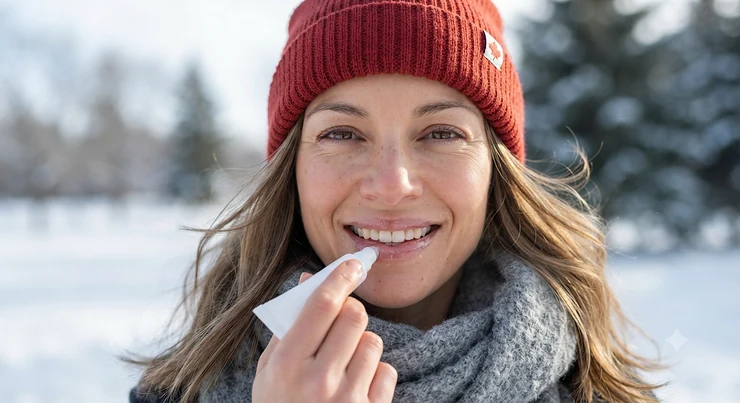
Somewhere between your third coffee and your second trip outside into a wind that feels personally offended by your face, your lips crack. Not “a little dry” crack — the kind where smiling costs you something. If you’re reading this, you’ve probably already tried the mint balm sitting in every junk drawer in the house, and you’ve probably already learned the hard way that it made things worse, not better. That’s not a coincidence, and it’s not your fault either.
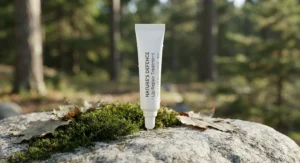
A good lip repair treatment isn’t just a lip balm with a fancier label. The distinction actually matters: balms mostly maintain moisture you already have, while a true repair treatment is built to rebuild a damaged skin barrier, calm inflammation, and in some cases, do it while you sleep. This guide walks through seven real, currently available products — from a C$6 tube of ointment to a cult-favourite overnight mask — with honest analysis of what’s actually in them, who each one suits, and where the marketing overstates what the ingredient list can deliver. We’ll also get into lip plumping treatment options for anyone chasing a fuller look alongside the healing, because those two goals aren’t always compatible in the same tube.
Everything here is grounded in real product specifications, aggregated customer-review sentiment, and dermatologist commentary — no invented testing, no fabricated quotes, just a clear-eyed comparison so you can pick the right lip repair treatment for cracked lips without wasting another C$15 on something that stings the second it touches broken skin.
What Is a Lip Repair Treatment?
A lip repair treatment is a topical product formulated with occlusive, humectant, and emollient ingredients to actively heal a compromised lip skin barrier — as opposed to a standard lip balm, which mainly seals in existing moisture. Repair-focused formulas often add ceramides, shea butter, panthenol, or medicated agents to speed recovery of cracked, peeling, or bleeding lips.
The skin on your lips has no oil glands and only a few thin layers of protection, which is exactly why it dries out faster than the skin on the rest of your face. Dermatology describes this pattern as a form of cheilitis, or inflammation of the lips, which can affect the surrounding skin, the vermilion border, or the inner lip tissue. Simple chapped lips are considered one of the most common forms of this condition, largely driven by exogenous factors like cold weather and sun exposure rather than any underlying disease. You can read the full clinical breakdown on Wikipedia’s cheilitis entry if you want the dermatology-textbook version of what’s actually happening to your lips right now.
That distinction — inflammation and barrier damage versus simple dryness — is why some products on this list contain hydrocortisone or dermatologist-grade ceramides, while others are essentially souped-up Vaseline. Both approaches are legitimate. They’re just built for different severities.
Quick Comparison Table
| Product | Best For | Price Range (CAD) | Key Ingredient |
|---|---|---|---|
| Aquaphor Lip Repair Ointment | Everyday cracked lips | Under C$10 | Petrolatum + Panthenol |
| O’Keeffe’s Lip Repair | Severely cracked, bleeding lips | C$10-C$15 | Cocoa Butter + Petrolatum |
| La Roche-Posay Cicaplast Lip Balm B5 | Sensitive, reactive skin | C$15-C$20 | Shea Butter + Madecassoside |
| Dr. Dan’s Cortibalm | Stubborn, inflamed cracking | C$10-C$15 | 1% Hydrocortisone |
| LANEIGE Lip Sleeping Mask | Overnight lip recovery | C$30-C$40 | Berry Complex + Murumuru Butter |
| Vaseline Lip Therapy Advanced Healing | Budget-conscious daily use | Under C$10 | Petrolatum + Aloe |
| BUXOM Power-Full Plumping Peptide Lip Treatment | Lip plumping treatment | C$30-C$35 range | Hyaluronic Acid + Tripeptide-1 |
Looking at this lineup, there’s a clear split between medical-grade repair (Dr. Dan’s, La Roche-Posay) and daily-maintenance repair (Aquaphor, Vaseline, O’Keeffe’s), with LANEIGE and BUXOM occupying a separate lane entirely — cosmetic-first products that layer in nice-to-have benefits like tinted finishes and mild plumping. If your lips are actively bleeding tonight, you want the medicated end of this table; if you’re just tired of flaky lipstick application, the cosmetic end will serve you better.
💬 Just one click — help others make better buying decisions too!😊
Top 7 Lip Repair Treatments: Expert Analysis
1. Aquaphor Lip Repair Ointment — the do-it-all healing ointment
If lip care had a “when in doubt” default, it would be this one. Aquaphor Lip Repair Ointment leans almost entirely on petrolatum as an occlusive base, which sounds unglamorous until you understand what occlusives actually do: they form a physical barrier that stops water from evaporating out of already-thin lip skin. Paired with panthenol (pro-vitamin B5) and glycerin, the formula is built less to add new hydration and more to lock in whatever moisture is already there and give damaged skin room to heal underneath.
What most buyers overlook about this ointment is that it’s fragrance-free and dye-free, which matters more than it sounds like it should — flavoured and tinted balms are a surprisingly common source of ongoing irritation on already-cracked skin. Based on the ingredient profile, this is a solid pick for anyone with sensitive or reactive lips, not just people chasing intense healing. Reviewers consistently report that the thick, almost sticky texture feels like overkill in small amounts but performs noticeably better than wax-based balms overnight, particularly for cracking at the corners of the mouth or peeling after sun or wind exposure.
Pros:
- ✅ Fragrance-free formula reduces irritation risk
- ✅ Thick occlusive layer holds up overnight
- ✅ Works on other dry skin patches too
Cons:
- ❌ Greasy texture isn’t ideal under lipstick
- ❌ No SPF, so daytime sun protection needed separately
Priced under C$10 for a small tube, Aquaphor Lip Repair Ointment delivers strong value-per-dollar for anyone whose main goal is fast, no-frills healing rather than a cosmetic finish.
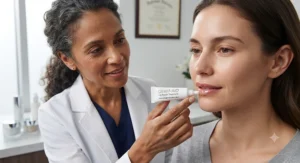
2. O’Keeffe’s Lip Repair — best for severely cracked, bleeding lips
O’Keeffe’s Lip Repair was built specifically for the worst-case scenario: lips so dry they’ve split open. The formula combines cocoa butter, allantoin, and petrolatum-adjacent occlusives into a noticeably denser stick than most drugstore balms, and that density is deliberate — a thinner product simply wouldn’t sit on cracked, uneven skin long enough to do its job.
Based on the spec comparison with lighter balms on this list, the trade-off is texture. This is not a product you’ll enjoy wearing under makeup or during a video call; it applies with a faint tackiness that some testers describe as needing a minute to “set.” What the spec sheet won’t tell you, but aggregated Amazon review data suggests, is that this is one of the more polarizing textures in the category — people either become loyal repeat buyers within a week or give up on it entirely in the first few applications. There isn’t a middle ground in the sentiment. For genuinely severe, painful cracking, though, that same density is exactly what makes it effective, since it stays put through eating, drinking, and sleeping better than glossier formulas.
Pros:
- ✅ Dense formula clings to badly split skin
- ✅ Fragrance-free and dye-free
- ✅ Available in an SPF 35 version for daytime
Cons:
- ❌ Waxy texture feels heavy to some users
- ❌ Not cosmetically elegant under makeup
At roughly C$10 to C$15 depending on pack size, O’Keeffe’s Lip Repair earns its price for the specific job of rescuing lips that have already cracked open, rather than preventing dryness in the first place.
3. La Roche-Posay Cicaplast Lip Balm B5 — best dermatologist-brand pick
La Roche-Posay Cicaplast Lip Balm B5 borrows its formula philosophy from the brand’s well-known Cicaplast face balm, and that lineage shows. Shea butter provides the emollient base, while panthenol (vitamin B5) and madecassoside — an extract derived from centella asiatica — are included specifically for their skin-soothing and barrier-supporting reputation in dermatological skincare.
Here’s what to weigh: this isn’t the thickest or greasiest product on the list, and that’s by design. It’s positioned for people who want repair-grade ingredients without the heavy ointment feel, which makes it a natural fit for daytime wear. Reviewers consistently note the fragrance-free formula sits comfortably on sensitive skin, including lips prone to reacting to standard drugstore balms with mint, camphor, or menthol. On paper, this means it’s a strong option for anyone who has already been burned (sometimes literally, in a stinging sense) by “medicated” tingling balms that actually irritate rather than heal.
Pros:
- ✅ Madecassoside supports barrier repair
- ✅ Lightweight enough for daytime wear
- ✅ Fragrance-free, dermatologist-brand formulation
Cons:
- ❌ Smaller tube size relative to price
- ❌ Less occlusive than heavier ointments overnight
In the C$15 to C$20 range, La Roche-Posay Cicaplast Lip Balm B5 sits at a reasonable mid-tier price for a formula built around actual barrier-repair actives rather than fragrance and wax alone.
4. Dr. Dan’s Cortibalm — best medicated option for stubborn cases
Dr. Dan’s Cortibalm stands apart from everything else on this list for one reason: it contains 1% hydrocortisone, a mild topical corticosteroid, alongside beeswax and vitamin E. That’s a meaningfully different tool than a moisturizing balm — hydrocortisone works by calming inflammation directly, which matters when cracked lips have crossed over into genuinely irritated, red, or swollen territory rather than simply dry.
Based on the ingredient profile, this product occupies a category closer to a short-term medicated treatment than a daily-wear cosmetic, and it’s worth treating it that way. What most buyers overlook is that hydrocortisone products are generally meant for limited-duration use rather than indefinite daily application — a detail worth discussing with a pharmacist if cracking persists beyond a couple of weeks. Aggregated review sentiment across retailers consistently highlights fast relief for painfully split corners of the mouth (angular cheilitis-type cracking), with some users specifically noting it succeeded where petroleum-based balms had stalled out.
Pros:
- ✅ Hydrocortisone targets inflammation directly
- ✅ Effective for stubborn, painful cracking
- ✅ Compact tube fits in any bag or pocket
Cons:
- ❌ Not intended for continuous long-term use
- ❌ Overkill for mild, everyday dryness
Priced between C$10 and C$15, Dr. Dan’s Cortibalm is best reserved for flare-ups rather than everyday maintenance, where its medicated formula genuinely earns its keep.
5. LANEIGE Lip Sleeping Mask — best overnight recovery treatment
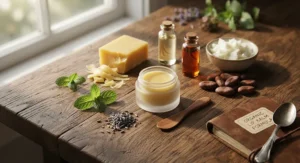
LANEIGE Lip Sleeping Mask is arguably the product that turned “overnight lip recovery” into its own category rather than an afterthought. The formula centres on shea butter, murumuru seed butter, and coconut oil for emollience, layered with a berry fruit complex included primarily for antioxidant support and a light cosmetic tint, plus vitamin C positioned to help protect against external stressors overnight.
What sets this apart from a basic ointment is intent: it’s engineered to be worn generously before bed with a doe-foot applicator and gently wiped or left on in the morning, rather than reapplied every couple of hours through the day. Based on the spec comparison with heavier medical-style ointments, it trades some of that occlusive intensity for a genuinely pleasant sensorial experience — a real consideration if you’ve abandoned other repair products purely because you hated how they felt. Independent beauty-editor testing has reported a noticeably softer, more hydrated feel developing over a month of nightly use compared with standard lip balm application before bed, and the brand positions the formula around delivering smoother, softer-looking lips by morning through its berry fruit complex, shea butter, and murumuru seed butter blend. It’s worth noting the formula is fragranced, which some sensitive-lip users may want to patch-test first.
Pros:
- ✅ Pleasant texture encourages consistent nightly use
- ✅ Doubles as a subtle plumping, glossy tint
- ✅ Backed by a large body of consumer testing
Cons:
- ❌ Contains fragrance, a possible irritant for some
- ❌ Premium price for what is fundamentally a balm
At around C$30 to C$40, LANEIGE Lip Sleeping Mask costs several times more than a drugstore ointment, but for people who specifically want an enjoyable, ritual-style overnight lip recovery routine, the cosmetic polish partly justifies the premium.
6. Vaseline Lip Therapy Advanced Healing — best budget backup
Vaseline Lip Therapy Advanced Healing is the quiet workhorse of this list — not exciting, but reliably effective at the most basic job a lip repair treatment needs to do. Built on 100% pure petroleum jelly with a small amount of added aloe, it functions almost identically to Aquaphor in mechanism: occlusion first, healing environment second.
Here’s what to weigh against the flashier products on this list: pure petrolatum has decades of dermatological backing as a safe, effective occlusive, and the American Academy of Dermatology and similar bodies have long recommended it as a baseline treatment for chapped, cracked skin. The trade-off is that it does essentially nothing else — no ceramides, no ingredient innovation, no plumping benefit. Reviewers consistently describe it as unremarkable in a good way: cheap, widely available, and dependable enough to keep a tube in every coat pocket, bag, and desk drawer without worrying about waste if you lose one.
Pros:
- ✅ Extremely affordable for the tube size
- ✅ Petrolatum base has strong safety track record
- ✅ Small tubes are easy to carry everywhere
Cons:
- ❌ No added actives beyond aloe
- ❌ Slick texture some find less pleasant than balm sticks
At under C$10, Vaseline Lip Therapy Advanced Healing is close to the floor price in this category, and for straightforward daily maintenance, it doesn’t need to be more expensive to work.
7. BUXOM Power-Full Plumping Peptide Lip Treatment — best lip plumping treatment
If your priority list includes “fuller-looking lips” alongside “please stop peeling,” BUXOM Power-Full Plumping Peptide Lip Treatment is the most direct answer on this list. Instead of leaning on capsicum or cinnamon-oil tingle plumpers, which can actually aggravate already-cracked skin, this formula uses hyaluronic acid (as sodium hyaluronate) and Tripeptide-1 to hydrate and support a fuller appearance from moisture retention rather than induced irritation, alongside shea butter and vitamin E for conditioning.
Based on the spec comparison with tingle-based plumpers, this is the meaningfully gentler option for anyone whose lips are already compromised — a genuine consideration, since most classic lip-plumping products are explicitly unsuitable for cracked or broken skin. The brand markets the formula as delivering hydration for up to 36 hours, leaving lips soft, smooth, and visibly plumped, with no cooling tingle, which tracks with why it’s positioned as suitable for sensitive lips rather than special-occasion-only wear. What most buyers overlook is that hyaluronic-acid-based plumping is temporary and hydration-driven rather than structural, so results reverse once the product wears off — a very different mechanism than dermal fillers, and worth knowing before expecting filler-like results from a tube.
Pros:
- ✅ Peptide and hyaluronic acid plump without tingle
- ✅ Gentle enough for sensitive, cracked lips
- ✅ Doubles as an overnight hydrating treatment
Cons:
- ❌ Plumping effect is temporary, not cumulative
- ❌ Premium price for a non-medicated formula
In the C$30 to C$35 range, BUXOM Power-Full Plumping Peptide Lip Treatment is priced like a cosmetic splurge, which is fair — it’s solving a cosmetic goal first and a healing goal second, even if it does both reasonably well.
Practical Usage Guide: How to Apply a Lip Repair Treatment Correctly
Even the best lip repair treatment underperforms if it’s applied like a regular lipstick — quick swipe, done. For actual barrier repair, application technique matters almost as much as ingredient choice.
Start with a clean base: gently pat lips with a warm, damp washcloth to soften any loose or flaking skin before applying product — never pick or peel dry skin directly, since that tears healthy tissue along with the damaged layer and delays healing. Apply a genuinely generous layer, thicker than you’d think necessary, especially at night; thin applications simply don’t create the occlusive seal that ointment-style products depend on to work. During the first 30 days of switching to a repair-focused routine, expect some trial and error — if a product stings or tingles noticeably, that’s a signal to stop rather than push through, since irritation slows healing rather than proving the product is “working.” Reapply after eating, drinking, or any activity that mechanically wipes product away, since repair treatments can’t heal skin they’re not actually sitting on. For anyone using a medicated option like Dr. Dan’s Cortibalm, keep applications limited to short flare-up windows rather than indefinite daily use, and check in with a pharmacist if cracking hasn’t meaningfully improved after a week or two of consistent care.
One optimization trick Amazon listings never mention: layering. Applying a thin humectant-forward product like BUXOM Power-Full Plumping Peptide Lip Treatment underneath a heavier occlusive like Aquaphor Lip Repair Ointment at night can combine active hydration with a stronger moisture-lock than either product achieves alone.
Real-World Scenarios: Matching Treatment to Your Life
The winter commuter. If you’re walking or waiting for transit in sub-zero wind daily, your lips are getting hit by both cold, dry air and mechanical wind-chapping. A thick, occlusive option like Aquaphor Lip Repair Ointment or Vaseline Lip Therapy Advanced Healing, reapplied before heading outside, will outperform lighter cosmetic balms that simply can’t stand up to that level of environmental stress.
The self-conscious overnight sufferer. For anyone whose lips are noticeably peeling by morning despite reasonable daytime care, the fix is often about the overnight window specifically. LANEIGE Lip Sleeping Mask was built exactly for this — a generous nighttime layer that stays put and works while you sleep, rather than a daytime balm applied out of habit and forgotten.
The flare-up sufferer with painful cracking. If cracking has progressed to visible splits, redness, or bleeding at the corners of your mouth, that’s beyond what a standard moisturizing balm resolves quickly. This is where Dr. Dan’s Cortibalm earns its place, used for a short, targeted window rather than as a everyday product, ideally alongside a follow-up with a pharmacist or doctor if it doesn’t clear within a couple of weeks.
The cosmetic-and-care multitasker. If you want lips that look good under makeup and heal at the same time, both La Roche-Posay Cicaplast Lip Balm B5 and BUXOM Power-Full Plumping Peptide Lip Treatment are built to be worn during the day without the heavy, glossy look of an ointment.
Problem → Solution: Fixing Cracked Lips Fast
Problem: Lips crack painfully at the corners of the mouth. This pattern, sometimes linked to angular cheilitis, often responds better to a mild medicated option like Dr. Dan’s Cortibalm than to a standard moisturizing balm, since inflammation — not just dryness — is usually part of the picture.
Problem: Lips feel dry again within an hour of applying balm. This is almost always an occlusion problem rather than a hydration problem. Switching to a heavier, wax-or-petrolatum-forward product like O’Keeffe’s Lip Repair or Aquaphor Lip Repair Ointment typically resolves it, since thinner formulas simply evaporate or wear off faster.
Problem: Lips are dry, but also flaking under makeup. A lighter dermatological formula such as La Roche-Posay Cicaplast Lip Balm B5 worn under lipstick, rather than a thick ointment, tends to give a smoother makeup finish while still delivering barrier-support ingredients.
Problem: A “medicated” mint or menthol balm seems to be making things worse. This is a common and under-discussed issue — Canadian dermatologists interviewed on the subject have specifically flagged that mint and menthol lip products can create a repeated irritation cycle even though the tingle feels like the product is “working.” Switching to a fragrance-free option is usually the fastest fix.
Problem: Lips are dry and you’d also like them to look fuller. Standard occlusive ointments won’t help here, but a hydration-based plumper like BUXOM Power-Full Plumping Peptide Lip Treatment addresses both goals without the irritation risk of capsicum-based plumpers on already-sensitive skin.
How to Choose a Lip Repair Treatment
Picking the right lip repair treatment for cracked lips comes down to matching product intensity to actual severity, not brand reputation alone. Here’s a practical framework:
- Assess severity first. Mild flaking calls for a lighter balm; visible splits or bleeding call for a medicated or heavy-occlusive option.
- Check for fragrance and mint/menthol. These are common irritants on already-damaged lip skin, despite feeling “active.”
- Match texture to your day. Heavy ointments suit nighttime or non-makeup days; lighter balms suit daytime wear under cosmetics.
- Consider the ingredient category you actually need. Occlusives (petrolatum, beeswax) for sealing moisture; humectants (hyaluronic acid, glycerin) for drawing in moisture; medicated actives (hydrocortisone) only for inflamed, stubborn cases.
- Decide if plumping matters to you. If cosmetic fullness is a goal alongside healing, choose a hydration-based plumper rather than a tingle-based one while lips are still recovering.
- Watch for SPF where relevant. Daytime formulas benefit from sun protection, since UV exposure is itself a common cause of chronic lip dryness and, over time, more serious sun-damage conditions.
- Don’t judge results too quickly. Barrier repair on lip skin typically shows meaningful improvement over several days to two weeks of consistent use, not overnight, with the exception of medicated options for acute flare-ups.
A quick note on a common buying mistake: reaching for the most “premium-looking” packaging rather than reading the ingredient list. Several of the most effective products in this category — Aquaphor Lip Repair Ointment and Vaseline Lip Therapy Advanced Healing among them — are inexpensive precisely because their formulas are simple and proven, not because they’re inferior to pricier alternatives.
Lip Repair Balm Ingredients That Actually Matter (And Which Are Hype)
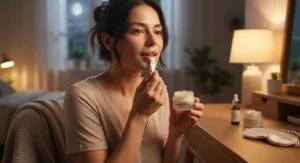
Reading a lip repair balm ingredients list is more useful than reading the marketing copy above it, and the differences between products on this list mostly come down to three functional categories.
Occlusives — petrolatum, beeswax, and shea butter — physically block water loss from lip skin. This is the backbone of Aquaphor Lip Repair Ointment, O’Keeffe’s Lip Repair, and Vaseline Lip Therapy Advanced Healing, and it’s the single most proven mechanism in this entire category.
Humectants — hyaluronic acid, glycerin, panthenol — draw moisture into the skin from the surrounding air and deeper skin layers. These show up prominently in BUXOM Power-Full Plumping Peptide Lip Treatment and contribute to the softness reported with LANEIGE Lip Sleeping Mask.
Actives with therapeutic intent — hydrocortisone in Dr. Dan’s Cortibalm, madecassoside in La Roche-Posay Cicaplast Lip Balm B5 — go a step further by addressing inflammation directly rather than just moisture loss.
Where hype creeps in is the “hero ingredient” marketing around fragrance, exotic fruit extracts, or trendy peptides positioned as miracle actives. They’re rarely harmful in small amounts, but reviewers consistently note that they add sensory appeal — scent, tint, taste — more than measurable healing power. It’s also worth knowing that ingredient safety for lip products sold in Canada isn’t left entirely to brand discretion: Health Canada maintains a Cosmetic Ingredient Hotlist of substances that are prohibited or restricted for use in cosmetics sold in the country, which is worth a glance if you’re sensitive to a specific ingredient category and want to understand what’s already regulated out of the market.
Lip Plumping Treatment vs Traditional Lip Balm: What’s the Real Difference?
A traditional lip balm and a lip plumping treatment solve different problems, even when they look nearly identical on a shelf. Traditional balms — think Vaseline Lip Therapy Advanced Healing or Aquaphor Lip Repair Ointment — are formulated purely around moisture retention and barrier support, with zero intent to change the visual size or shape of the lips.
A lip plumping treatment like BUXOM Power-Full Plumping Peptide Lip Treatment adds a second layer of function: temporarily increasing the appearance of lip fullness, either through humectant-driven micro-swelling (hyaluronic acid pulling water into the skin) or, in more aggressive formulas elsewhere on the market, through mild irritant-induced blood flow using capsicum or cinnamon oil. That second, tingle-based mechanism is worth flagging specifically for anyone dealing with cracked lips: irritant-based plumpers are a poor match for already-damaged skin, since they work by creating a controlled inflammatory response, which is the opposite of what healing skin needs.
The practical takeaway: if your lips are currently cracked or peeling, prioritize a healing-first product and save any tingle-based plumper for after recovery. If mild plumping and repair need to happen simultaneously, a hydration-based option is the safer route.
Overnight Lip Recovery: What to Expect Night to Morning
Overnight lip recovery products work on a simple premise: skin regenerates fastest when it isn’t being disturbed by talking, eating, or environmental exposure, so an eight-hour undisturbed window is genuinely more productive for healing than the same eight hours spread across a waking day.
In practice, that means a generous nighttime application — of LANEIGE Lip Sleeping Mask, or an occlusive ointment like Aquaphor Lip Repair Ointment for a no-frills version of the same idea — sits on the lips uninterrupted, maximizing the time occlusive and humectant ingredients have to do their job. What to actually expect: noticeably softer texture and reduced flaking by morning within the first few nights for mild-to-moderate dryness, with more visible improvement to cracking and peeling typically building over one to two weeks of consistent nightly use. It’s a gradual process, not a single-use fix — despite how some marketing implies overnight transformation from one application.
One caveat worth knowing: overnight masks with fragrance or tint, like LANEIGE Lip Sleeping Mask, are excellent for texture and comfort but aren’t necessarily the fastest option for someone whose lips are actively cracked and bleeding tonight. In that specific case, a fragrance-free medicated option applied with the same “leave it alone overnight” principle will usually outperform a cosmetically pleasant one.
Safety, Regulations & Compliance in Canada
Lip products occupy an interesting regulatory middle ground in Canada. Standard moisturizing lip balms are classified as cosmetics under the Food and Drugs Act, while products making SPF or medicated claims — like sunscreen-containing lip balms or hydrocortisone-based treatments — fall under different, stricter categories.
For SPF-containing lip products, Health Canada’s own guidance is direct: use a broad-spectrum sunscreen with an SPF of 30 or higher, and protect your lips specifically with an SPF-containing lip balm, as part of routine sun protection. That guidance exists because sunscreens are classified as drugs in Canada and must meet requirements under the Food and Drugs Act before they can be sold. You can review the full guidance directly on the Government of Canada’s sunscreens page. This matters more than it might seem, since chronic sun exposure is itself a recognized contributor to persistent lip dryness and, over the long term, more serious lip conditions that go well beyond simple winter chapping.
For anyone reaching for a medicated option like Dr. Dan’s Cortibalm, it’s worth remembering that hydrocortisone-containing products are meant for short, targeted use rather than continuous daily application — a distinction that’s easy to overlook when a product delivers fast, satisfying relief. If cracking, redness, or pain persists beyond one to two weeks despite consistent care, that’s a reasonable point to check in with a pharmacist or physician rather than continuing to self-treat indefinitely.
Long-Term Cost & Maintenance: Is Premium Worth It?
Running the numbers on this category is oddly satisfying, because the cost-per-use gap between the cheapest and priciest options here is enormous relative to how small the actual product tubes are. A tube of Vaseline Lip Therapy Advanced Healing at under C$10 can realistically last months of daily use, working out to pennies per application. LANEIGE Lip Sleeping Mask, at C$30 to C$40, delivers a noticeably more pleasant sensory experience and a mild cosmetic tint, but the actual cost-per-application lands meaningfully higher over the same time period.
The honest verdict: for pure healing efficiency, the budget occlusives on this list — Aquaphor Lip Repair Ointment, Vaseline Lip Therapy Advanced Healing, and O’Keeffe’s Lip Repair — deliver excellent long-term value, since the core mechanism (occlusion) doesn’t meaningfully improve with a higher price tag. Where premium pricing earns its keep is in the extras: texture, scent, tint, and the plumping bonus from BUXOM Power-Full Plumping Peptide Lip Treatment. If your budget is genuinely tight, there’s no compelling clinical reason to skip the cheaper options — a point echoed by Canadian dermatologists who, when interviewed about winter chapped lips, have specifically recommended sticking to simple, greasy, scent-free formulas over trendier alternatives.
Maintenance-wise, most repair treatments have a shelf life of 12 to 24 months once opened, though tubes used daily typically get finished well before that becomes relevant. Storing products away from direct heat — glove compartments in summer are the classic mistake — preserves texture and prevents the separation that sometimes occurs in shea-butter-heavy formulas.
Frequently Asked Questions
❓ What is the fastest way to heal cracked lips?
❓ Can lip balm actually make chapped lips worse?
❓ Is a lip plumping treatment safe for cracked lips?
❓ What ingredients should I look for in a lip repair balm?
❓ Do overnight lip masks work better than regular balm?
Conclusion
There’s no single “best” lip repair treatment, and honestly, that’s good news — it means the fix for your specific situation probably already exists on this list rather than requiring an expensive specialty product. For everyday maintenance, Aquaphor Lip Repair Ointment and Vaseline Lip Therapy Advanced Healing deliver proven, budget-friendly occlusion. For genuinely painful, inflamed cracking, Dr. Dan’s Cortibalm brings a medicated edge the others don’t have. If sensitivity to fragrance or texture has been the real obstacle, La Roche-Posay Cicaplast Lip Balm B5 solves for that directly. And if you want your overnight recovery routine to feel like a small ritual rather than a chore, LANEIGE Lip Sleeping Mask earns its premium price through sheer usability.
The one universal rule across every product here: match intensity to actual severity, watch for fragrance and menthol as hidden irritants, and give any new routine at least a week before judging results. Cracked lips are frustrating precisely because the fix feels like it should be instant — but a damaged skin barrier, however small, still needs a few consistent days to actually rebuild.
✨ Ready to Fix Cracked Lips for Good?
🔍 Browse the full lineup above and pick the option that matches your specific situation — whether that’s fast overnight healing, all-day comfort under makeup, or a gentle plumping treatment for cracked lips. Click through to check current pricing and availability before your next cold snap hits.
Recommended for You
- Best Lip Scrub Canada 2026: 7 Picks to Ditch Flaky Lips
- Best Lip Mask 2026: 7 Top Picks That Actually Fix Dry Lips
- Best SPF Lip Balm 2026: 7 Top Picks That Actually Protect
Disclaimer: This article contains affiliate links. As an Amazon Associate, I earn from qualifying purchases. If you purchase products through these links, we may earn a small commission at no additional cost to you.
✨ Found this helpful? Share it with your friends! 💬🤗
