In This Article
Top 7 Clay and Charcoal Masks for Oily Skin: Expert Analysis
These seven span budget, mid-range and premium, and cover clay-only, charcoal-forward and hybrid formulas. Availability and listings on amazon.ca change, so confirm the seller before you buy.
1. Aztec Secret Indian Healing Clay — best budget clay for stubborn oil
This is the no-frills tub that launched a thousand bathroom shelves. It’s 100% calcium bentonite clay powder, mixed at home with water or apple cider vinegar. The brand says one pound makes 10 to 15 facials.
Bentonite swells and grabs oil aggressively, so it’s more absorbent than kaolin-based tubes. With no added soothing agents, it’s a purist’s tool. That works well for resilient, truly oily skin. It’s a poor match for reactive skin, and the brand itself advises a patch test and a 5-to-10-minute limit for delicate complexions. Skip metal bowls, since reviewers and the brand both recommend non-metal mixing.
Reviewers consistently report strong results on oil and blackheads. Common complaints are the DIY mixing, the mess and temporary redness. One caution: a Canadian retailer notes that one version of this product isn’t sold through Amazon, so check that the listing and seller match what you expect.
Pros:
- ✅ Powerful oil absorption from pure bentonite
- ✅ Cheapest cost per use on this list
- ✅ No fragrance or additives
Cons:
- ❌ Messy DIY mixing every single time
- ❌ Too intense for sensitive or dry patches
Expect roughly C$15 to C$30 for a one-pound jar, so check current price. The value verdict: unbeatable per use if your skin can handle it.
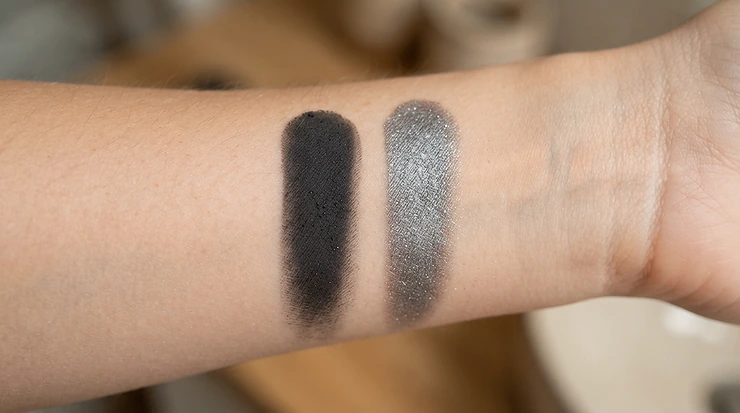
2. L’Oréal Paris Pure-Clay Mask Detox & Brighten — easiest drugstore hybrid
This is the entry point for most Canadians, and L’Oréal calls its Pure-Clay range the number one clay mask brand in Canada (a brand claim). The formula combines kaolin, montmorillonite and Moroccan lava clay with charcoal powder.
Here’s the honest read. The ingredient list shows the clays before the charcoal, so this is a clay mask with a charcoal supporting role. That’s fine for oily skin. The brand suggests a thin layer for 10 to 15 minutes, two to three times weekly. It also contains fragrance and the allergens linalool and limonene, which matters if you react easily.
Reviewers describe a creamy texture and easy rinsing. Several say it dries skin less than expected for a clay mask. A recurring tip is to apply it before a shower and rinse it off with the steam. Labels and names vary by region and some retailer listings show older names, so read the jar.
Pros:
- ✅ Creamy texture rinses off easily
- ✅ Widely stocked and budget-friendly
- ✅ Three clays for balanced oil control
Cons:
- ❌ Contains fragrance, risky for reactive skin
- ❌ Charcoal sits low in the ingredient list
Expect roughly C$15 to C$25. The verdict: best beginner pick.
3. The Ordinary Salicylic Acid 2% Masque — BHA does what charcoal can’t
This one pairs kaolin and charcoal powder with 2% salicylic acid, plus squalane and glycerin to blunt the dried-out feeling.
What the spec sheet won’t tell you is that the acid does the heavy lifting. Charcoal and clay work on the surface. Salicylic acid is oil-soluble and works inside the pore. With a 10-minute contact time, it gets a longer window than a daily cleanser. The brand’s own guidance is once or twice weekly on clean, dry skin, with a sunburn alert for BHA. In Canada, that means sunscreen the next morning, even in October.
Reviewers on the brand’s site and in third-party reviews point to smoother texture and clearer pores. The main drawback is that the charcoal can stain towels and light clothing, so use a dark washcloth.
Pros:
- ✅ BHA reaches inside congested pores
- ✅ Squalane and glycerin soften the clay effect
- ✅ Great price for a treatment-style mask
Cons:
- ❌ Charcoal stains towels and light fabrics
- ❌ Needs daily sunscreen afterward
Expect pricing under C$25. The verdict: the smartest value for blackhead-prone oily skin.
4. Origins Clear Improvement Active Charcoal Mask — the classic charcoal-clay duo
This is the poster child for the category. It blends bamboo charcoal with white china clay, kaolin, bentonite and montmorillonite. Origins markets it as its number one mask, which is a brand claim.
Look closer and you’ll notice the clays dominate the list again. The brand recommends weekly use or as needed. That’s a sensible frequency for oily skin, and it keeps over-drying in check.
Reviewers frequently praise its consistent texture and the matte, clean look it gives before an evening out. A recurring complaint is that it’s hard to remove if it dries fully, so rinse it while still slightly tacky. Availability on amazon.ca can vary by seller, so check the listing.
Pros:
- ✅ Clay-forward formula with bamboo charcoal
- ✅ Smooth, spreadable texture
- ✅ Suits normal, combination and oily skin
Cons:
- ❌ Premium price for a small jar
- ❌ Hard to remove once fully dry
Expect roughly C$40 to C$65 depending on size and retailer. The verdict: worth it as a weekly treat, not a daily staple.
5. Innisfree Super Volcanic Pore Clay Mask — volcanic clusters with a gentle AHA
This K-beauty favourite uses volcanic clusters and an AHA to absorb oil, exfoliate and refine texture. Editors describe it as cooling.
The AHA gives it a second job, which is a double-edged sword. It smooths dull texture without a separate exfoliant. But if you’re also using acids elsewhere in your routine, the combination can tip you into irritation. Treat it as your exfoliation day for that week.
I could verify mostly editorial summaries here, not deep review sentiment, so take the praise as directional. Those summaries consistently position it for oily and combination skin. It’s also one of the best-value options on amazon.ca-style marketplaces.
Pros:
- ✅ Cooling feel while it works
- ✅ AHA smooths texture alongside clay
- ✅ Strong value for a K-beauty brand
Cons:
- ❌ Adds to acid load in busy routines
- ❌ Limited verified review detail
Expect roughly C$18 to C$30. The verdict: a strong mid-range pick for textured, oily skin.

6. Kiehl’s Rare Earth Deep Pore Minimizing Cleansing Clay Mask — the gentle premium
This mask earns a reputation for doing what most clay masks forget: purifying without punishing. Editorial roundups call it a reliable, gentle clay mask that delivers visible results without irritation.
That’s relevant if your oily skin also feels sensitive, which describes plenty of Canadians in February. Gentler masks mean you can reach for them weekly without a rebound of tightness and oil. The tradeoff is price. You’re paying for the formula and the brand.
I can confirm the editorial praise, but not review volume or detailed customer feedback. Check current availability and the seller on amazon.ca.
Pros:
- ✅ Praised as gentle yet effective
- ✅ Suits oily-but-reactive skin
- ✅ Dependable clay-based performance
Cons:
- ❌ Expensive compared with similar clays
- ❌ Review details are hard to verify
Expect roughly C$45 to C$75. The verdict: the pick for oily, easily irritated skin.
7. GLAMGLOW Supermud Charcoal Instant Treatment Mask — fast-acting charcoal with acids
This is the dramatic one. It’s a wash-off charcoal treatment with 38 ingredients, including AHA, BHA and exfoliants. On the database SkinSort, it ranks as both the top-rated and most popular mask containing carbon.
What that means in practice: the acids, not the charcoal alone, drive the visible results. It’s a treatment, not a nightly ritual. Sensitive skin should approach with caution, and a patch test is smart.
I could verify its popularity and ingredient profile, but not detailed review sentiment. Treat it as a special-occasion tool.
Pros:
- ✅ Charcoal plus AHA and BHA for fast results
- ✅ Top-rated carbon mask on SkinSort
- ✅ A little goes a long way
Cons:
- ❌ Highest price per millilitre here
- ❌ Too strong for sensitive complexions
Expect roughly C$55 to C$90 for a small tube. The verdict: great for occasional deep cleans, poor value for weekly use.
Side-by-Side: How the Top 7 Compare
| Mask | Main actives | Format | Price range | Best for |
|---|---|---|---|---|
| Aztec Secret Indian Healing Clay | Calcium bentonite | Powder, DIY | C$15–C$30 | Budget oil control |
| L’Oréal Paris Pure-Clay Mask Detox & Brighten | 3 clays + charcoal | Cream | C$15–C$25 | Beginners |
| The Ordinary Salicylic Acid 2% Masque | Salicylic acid, kaolin, charcoal | Cream | Under C$25 | Blackheads |
| Origins Clear Improvement Active Charcoal Mask | Clays + bamboo charcoal | Cream | C$40–C$65 | Weekly treat |
| Innisfree Super Volcanic Pore Clay Mask | Volcanic clay + AHA | Cream | C$18–C$30 | Dull, textured skin |
| Kiehl’s Rare Earth Deep Pore Minimizing Cleansing Clay Mask | Mineral clay | Cream | C$45–C$75 | Sensitive-leaning oily skin |
| GLAMGLOW Supermud Charcoal Instant Treatment Mask | Charcoal + AHA/BHA | Wash-off | C$55–C$90 | Occasional deep clean |
Look at the pattern. Under C$30, Aztec Secret Indian Healing Clay, L’Oréal Paris Pure-Clay Mask Detox & Brighten, The Ordinary Salicylic Acid 2% Masque and Innisfree Super Volcanic Pore Clay Mask cover nearly every oily-skin need. Pay more only if you want gentleness, as with Kiehl’s Rare Earth Deep Pore Minimizing Cleansing Clay Mask, or an acid-boosted treatment, as with GLAMGLOW Supermud Charcoal Instant Treatment Mask.
✨ Don’t Miss These Exclusive Deals!
🔍 Take your oily-skin routine to the next level with these carefully selected masks. Click on any highlighted item to check current pricing and availability. A good mask can help you build a calmer, matte complexion you’ll actually enjoy.

How to Choose Between a Clay Mask and a Charcoal Mask
Use this five-step filter. It turns the clay-versus-charcoal question into something you can answer at the shelf.
- Check the first three ingredients. Kaolin or bentonite up front means a clay-led formula. Charcoal powder near the end is more colourant than cleanser.
- Match clay to your tolerance. Bentonite is stronger and fits resilient skin. Kaolin is gentler.
- Decide whether you want acids. Salicylic acid reaches inside pores, but it adds irritation risk. Skip it if your barrier feels fragile.
- Scan for fragrance. It’s a common trigger for oily-but-reactive skin.
- Pick a format you’ll use. A powder you must mix is cheap but easy to skip. A cream you can slap on in 30 seconds gets used.
Here’s the shortcut. If you’re unsure, start with a kaolin-led hybrid such as L’Oréal Paris Pure-Clay Mask Detox & Brighten, then graduate to The Ordinary Salicylic Acid 2% Masque if blackheads persist.
Charcoal Mask vs Clay Mask Oily Skin: The Head-to-Head Verdict
Let’s settle it, scenario by scenario.
For raw oil absorption, clay wins. Bentonite and kaolin soak up sebum directly, which is why Aztec Secret Indian Healing Clay feels so intense. Charcoal alone is a supporting player.
For pollution and surface grime, charcoal earns its keep. Activated charcoal’s huge surface area is real chemistry, but it works best alongside clay. That’s why Origins Clear Improvement Active Charcoal Mask pairs both.
For gentleness, kaolin-based clay wins. Charcoal products often add acids, which raises irritation risk.
For blackheads, neither wins alone. The honest champion is salicylic acid, delivered by The Ordinary Salicylic Acid 2% Masque.
So in the charcoal mask vs clay mask oily skin debate, my verdict is this. Choose a clay-led mask for your regular routine. Reach for a charcoal-and-acid treatment, such as GLAMGLOW Supermud Charcoal Instant Treatment Mask, only when you need a reset.
Best Detox Mask for Oily Skin: What “Detox” Really Means
Time for some myth-busting. Your skin doesn’t store toxins that a mask pulls out. Your liver and kidneys handle that. So what does the best detox mask for oily skin actually do?
It lifts surface oil, trapped dirt, pollution particles and product residue. That’s useful, just less dramatic than the packaging implies. In practice, detoxifying skincare means deep-cleansing the outermost layer so your other products sit better.
By that definition, the best detox mask for oily skin is the one that cleans without triggering rebound oil. For most people that means L’Oréal Paris Pure-Clay Mask Detox & Brighten or, with more gentleness, Kiehl’s Rare Earth Deep Pore Minimizing Cleansing Clay Mask. If you want the strongest detox mask for oily skin and your barrier is healthy, Aztec Secret Indian Healing Clay delivers.
One rule applies across all detoxifying skincare: follow with moisture. Oily skin can still be dehydrated.
Oil Control Comparison: What to Expect After Masking
This oil-control mask comparison rests on one honest point. A rinse-off mask resets the surface. It doesn’t change how much oil your glands make.
Right after rinsing: skin looks matte and pores look tighter. Clay-led masks like Aztec Secret Indian Healing Clay show this most dramatically.
A few hours later: oil starts returning, especially in the T-zone. A charcoal formula may feel cleaner, but it doesn’t last longer.
The next day: if you over-dried your skin, you can get a rebound shine. That’s the biggest trap.
For true oil control, think of masks as a weekly assist, not the foundation. A gentle cleanser, lightweight moisturizer and daily sunscreen carry the load. In an oil-control mask comparison, the winner is whichever mask you can use regularly without irritation. For most people, that’s a gentle clay such as Kiehl’s Rare Earth Deep Pore Minimizing Cleansing Clay Mask or an easy-rinse hybrid like L’Oréal Paris Pure-Clay Mask Detox & Brighten.
Activated Charcoal: Hype, Science and Limits
Activated charcoal sounds futuristic. It’s actually a very old tool. Industry uses it to filter water and air because of its enormous surface area, which exceeds 3,000 square metres per gram for well-activated carbon. Ordinary charcoal manages only a few square metres per gram. That’s why “activated” matters.
In a face mask, though, you rarely know how much activated charcoal you’re getting. Ingredient lists show “charcoal powder,” and its position tells you the concentration. If it’s near the end, it’s present in small amounts. Critics also call some charcoal skincare “wellness theatre,” and that’s a fair caution, because strong evidence for skin-specific claims is thin.
What activated charcoal does reasonably well is adsorb surface oil and debris. Paired with clay, it adds some cleansing and a striking dark look. On its own, it’s rarely the hero.
If you’re curious, Origins Clear Improvement Active Charcoal Mask is a sensible way to try it. And because charcoal can stain, stick to dark towels, as The Ordinary Salicylic Acid 2% Masque reviewers warn.
Masks vs Everyday Oil-Control Alternatives
| Option | What it does | Time | Best for |
|---|---|---|---|
| Clay or charcoal mask | Deep cleans, absorbs oil | 10–15 minutes, weekly | Resetting the T-zone: L’Oréal Paris Pure-Clay Mask Detox & Brighten |
| BHA (salicylic acid) leave-on | Clears oil inside pores | Seconds, daily or alternate days | Blackheads |
| Gel cleanser | Removes daily oil and dirt | One minute, daily | Every oily routine |
| Blotting papers | Lifts surface shine | Seconds, on demand | Midday touch-ups |
A mask is a periodic reset, not a daily fix. The Ordinary Salicylic Acid 2% Masque blurs the line, because it’s a mask delivering a BHA on a weekly schedule. If your oil comes with persistent acne or painful breakouts, a mask won’t be enough. The Canadian Dermatology Association is a trustworthy starting point for acne information and for finding a dermatologist.
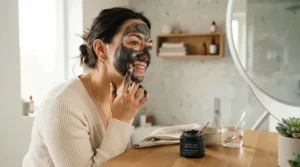
How to Use a Clay or Charcoal Mask on Oily Skin (Step-by-Step)
Here’s the routine that gives you results without regrets.
Prep. Cleanse with a gentle cleanser and pat dry. Applying to clean, dry skin matters for several of these masks, including The Ordinary Salicylic Acid 2% Masque.
Apply thinly. Thin layers work better than thick ones, and they stretch tubes. Avoid eyes and lips. Consider treating only the oily zones, as many reviewers suggest for combination skin.
Time it. Ten to 15 minutes is the usual window. If you use Aztec Secret Indian Healing Clay, keep it shorter, especially on delicate skin.
Don’t let it crack. Clay that dries to a rigid shell can pull moisture from your skin. Rinse while it’s still slightly tacky.
Rinse smart. Use lukewarm water and a soft cloth. Rinse before the mask fully dries to avoid scrubbing.
Finish. Apply a lightweight, non-greasy moisturizer. In Canadian winters, add a richer layer on dry cheeks.
Frequency. Start at once a week. Move to twice weekly only if your skin stays comfortable. Origins Clear Improvement Active Charcoal Mask itself suggests weekly or as needed.
Real-World Scenarios: Which Mask for Which Oily Skin?
The commuter with a shiny T-zone and a tight budget. She takes the SkyTrain or the TTC daily, battles midday shine and has about C$20 to spend. L’Oréal Paris Pure-Clay Mask Detox & Brighten fits. It rinses easily and works twice weekly without much fuss.
The student with blackheads and oily skin. He wants visible pore improvement without a big spend. The Ordinary Salicylic Acid 2% Masque offers BHA, clay and charcoal at a low price. He needs sunscreen daily.
The professional with oily, reactive skin. She wants gentleness and will pay for it. Kiehl’s Rare Earth Deep Pore Minimizing Cleansing Clay Mask suits weekly use, because reviewers and editors stress that it purifies without harshness.
The DIY fan with a robust barrier. He enjoys mixing and wants cost efficiency. Aztec Secret Indian Healing Clay gives the most uses per dollar, and he can tune it with water or apple cider vinegar.
The pattern is simple. Your skin’s tolerance decides everything, and the price tag matters less than people assume.
Common Mistakes When Using Clay and Charcoal Masks
Over-masking. More is not better. Daily masking strips your barrier and can trigger rebound oil.
Letting clay dry to cracking. This is the classic error. It pulls out moisture along with oil.
Stacking acids. Using Innisfree Super Volcanic Pore Clay Mask or GLAMGLOW Supermud Charcoal Instant Treatment Mask on top of an AHA serum invites irritation.
Skipping sunscreen. BHA and AHA masks can raise sun sensitivity, as The Ordinary Salicylic Acid 2% Masque warns explicitly.
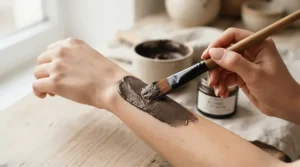
Skipping the patch test. The Aztec Secret Indian Healing Clay brand itself recommends a forearm patch test.
Ignoring fragrance. Fragranced masks like L’Oréal Paris Pure-Clay Mask Detox & Brighten can bother reactive skin.
Expecting permanent pore shrinkage. Pore size is largely genetic. A mask changes appearance, not structure.
Long-Term Cost & Value Analysis
| Tier | Picks | Cost logic | Verdict |
|---|---|---|---|
| Budget | Aztec Secret Indian Healing Clay | Brand says 1 lb makes 10–15 facials, about C$1–C$3 per use | Best per use |
| Mid | L’Oréal Paris Pure-Clay Mask Detox & Brighten, The Ordinary Salicylic Acid 2% Masque, Innisfree Super Volcanic Pore Clay Mask | Thin layers stretch small tubes | Best all-round value |
| Premium | Origins Clear Improvement Active Charcoal Mask, Kiehl’s Rare Earth Deep Pore Minimizing Cleansing Clay Mask, GLAMGLOW Supermud Charcoal Instant Treatment Mask | Higher cost per millilitre | Worth it for gentleness or special use |
The table shows that spending more doesn’t mean getting more oil control. It usually buys gentleness, texture or brand. If you’d like to support Canadian makers, Chatelaine’s roundup of made-in-Canada face masks features options like a British Columbia glacial clay mask at around C$50.
One last cost point: a mask that irritates you is expensive at any price, because you’ll pay to repair the damage.
Safety, Regulations and Canadian Considerations
Canada regulates cosmetics differently than many shoppers assume. Health Canada doesn’t approve cosmetics before they’re sold. Instead, it monitors the market and relies on rules for ingredient labelling and a tool called the Cosmetic Ingredient Hotlist, which lists substances that are prohibited or restricted in cosmetics.
For you, that means two practical things. First, read the ingredient list. It’s mandatory on the label, and it’s your best tool for spotting fragrance, acids and charcoal position. Second, buy from reputable sellers. On a marketplace like amazon.ca, check that the product matches the brand’s official listing, since formulas and packaging vary by region.
If you have a skin condition such as eczema, rosacea or severe acne, check with a pharmacist or dermatologist before adding a strong mask. Stop using any mask that causes persistent burning, swelling or rash.

FAQ
❓ Can I use a clay mask and a charcoal mask in the same week?
❓ Is a peel-off charcoal mask better than a wash-off clay mask?
❓ How long should I leave a clay mask on oily skin?
❓ Does a detox mask shrink pores permanently?
❓ Are charcoal masks safe for sensitive, oily skin?
Conclusion
Here’s the bottom line on clay mask vs charcoal mask for oily skin. Clay is your workhorse for oil control. Charcoal is a supporting act that shines when paired with clay or acids. If you only buy one, choose a clay-led formula.
For most people, L’Oréal Paris Pure-Clay Mask Detox & Brighten is the easiest start. The Ordinary Salicylic Acid 2% Masque is the smart upgrade for blackheads. Aztec Secret Indian Healing Clay wins on price. And if your skin is oily but touchy, Kiehl’s Rare Earth Deep Pore Minimizing Cleansing Clay Mask is worth the extra.
Use any of them once a week, never let clay crack, finish with moisture and wear sunscreen. Do that, and your T-zone should behave all winter.
Recommended for You
- Sheet Mask Vs Hydrogel Mask For Dry Skin: 7 Best Picks 2026
- Peel-Off Mask For Blackheads: 7 Best Picks In Canada (2026)
- Barrier Repair Mask For Sensitive Skin: 7 Best Picks 2026
Disclaimer: This article contains affiliate links. As an Amazon Associate, I earn from qualifying purchases. If you purchase products through these links, we may earn a small commission at no additional cost to you.
✨ Found this helpful? Share it with your friends! 💬🤗
